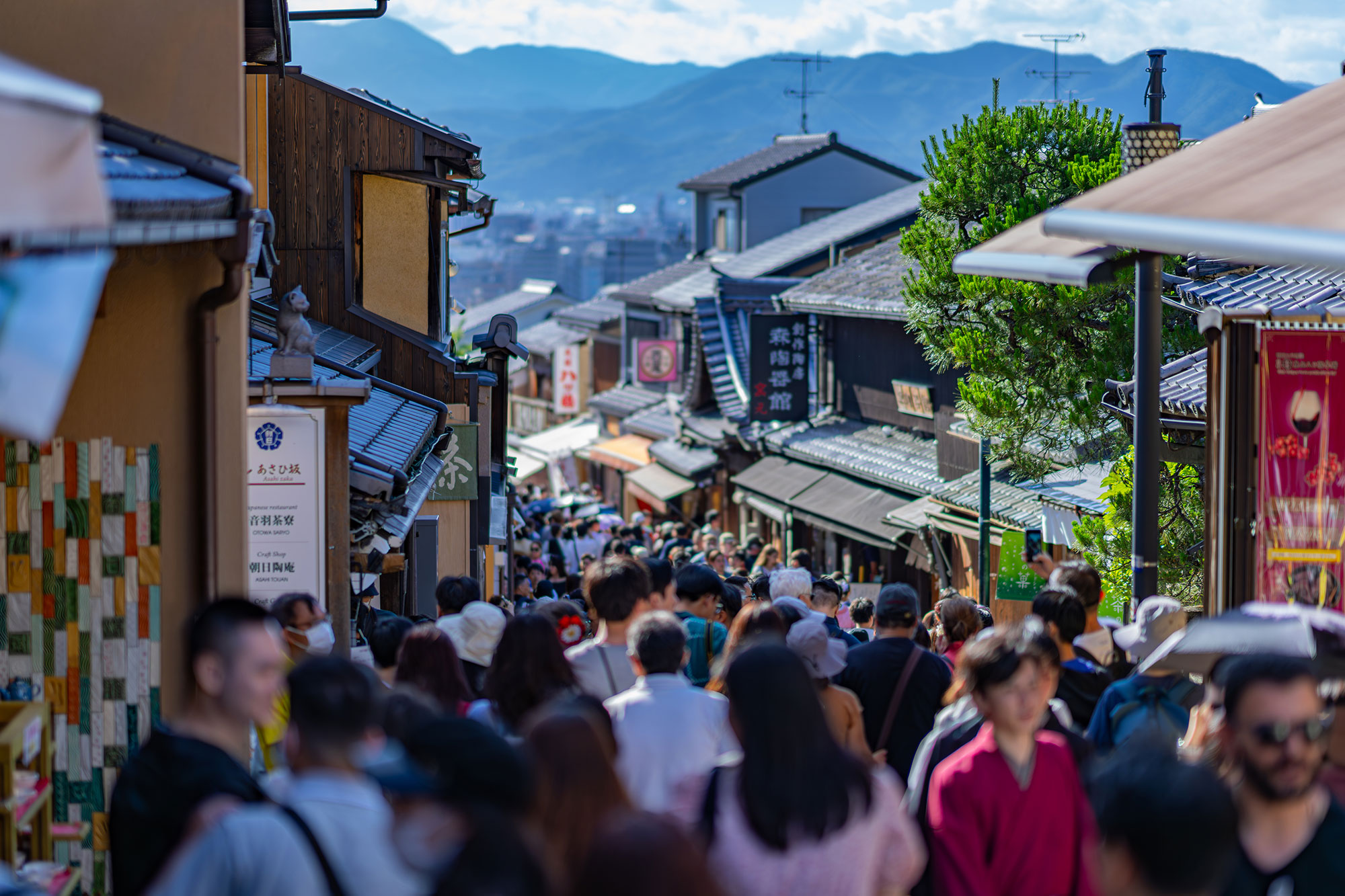
Every spring, the same scenes flood social media. Mount Fuji half-hidden by a "No Photography" wall in front of a convenience store. Arashiyama's bamboo grove, where you're just swept along by a tide of people bumping shoulders. Fushimi Inari's torii gate tunnel is already overflowing with people by 9 AM, making a peaceful pilgrimage, as it should be, a mere dream.
In 2025,the number of foreign tourists visiting Japan exceeded 42 million, breaking the 40 million mark for the first time. The problem isn't the number of people. It's that most of them are concentrated in just a handful of areas.
At Roopt, we operate share houses and short-term accommodation facilities in places that rarely appear on anyone's itinerary. We don't claim to have the answer to Japan's tourism problem. However, this issue and the places we are involved with intersect in a way that is worth discussing.
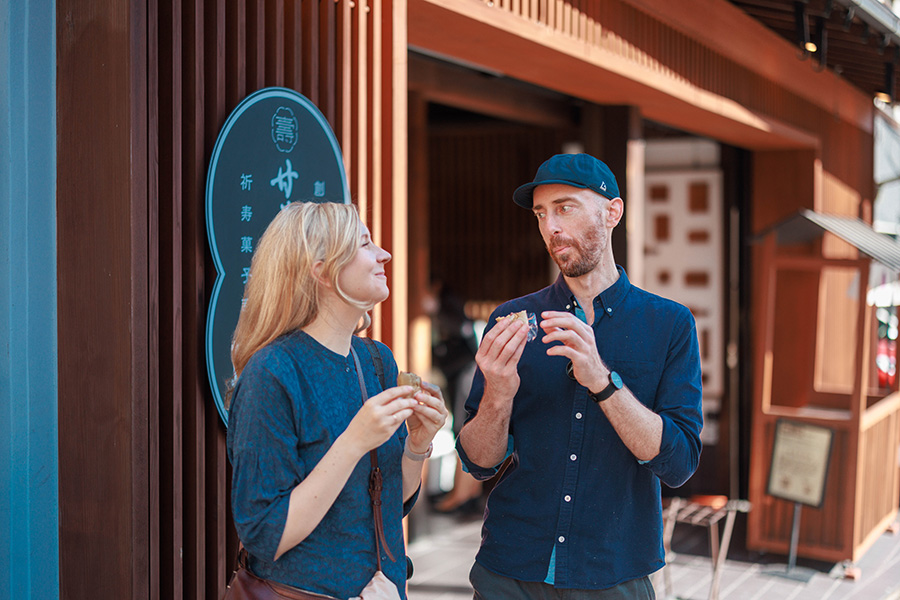
Surveys of foreign tourists repeatedly yield the same answer. The reasons for coming to Japan are the culture, the food, and the atmosphere of daily life, not to tick off a list of tourist spots. Yet, the mainstream tourism industry continues to funnel everyone to the same places, the same ryokan chains, and the same Instagrammable "photo spots." The result is not a true Japan, but an experience that could be called a "Japan-themed amusement park."
An analysis by the World Economic Forum in 2025also points out that the problem is not the number of tourists itself, but their "concentration." Approximately 60% of residents in major tourist destinations reported that congestion negatively impacts their daily lives. Locals find it harder to use public transport in their own towns, local restaurants shift to menus catering to tourists, and the original character of the town quietly changes.
Frustration is mutual. Residents feel encroached upon, and tourists feel betrayed... as if they came seeking authenticity but found only queues.
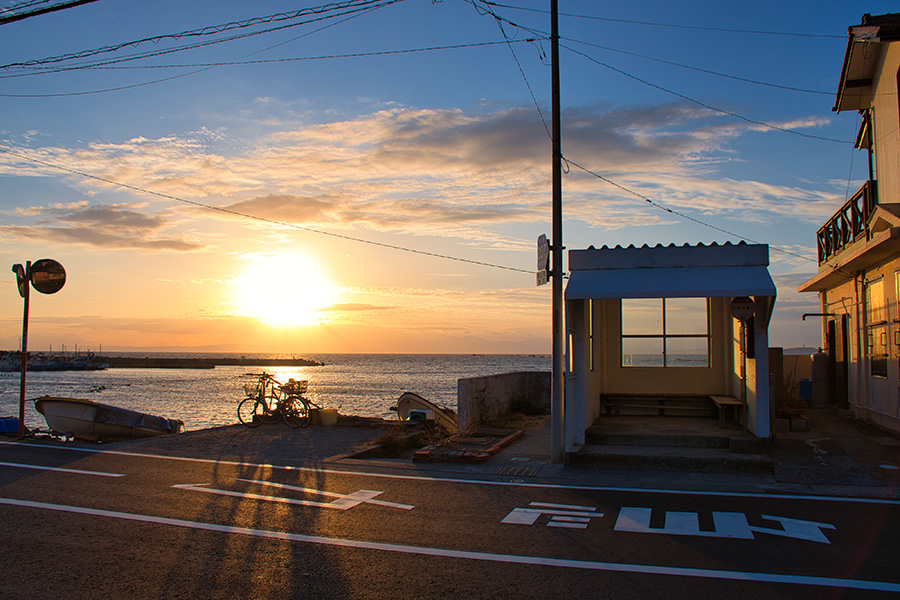
When it comes to guiding tourists to rural areas, the tone often becomes somewhat apologetic."If popular spots are crowded, please try these instead"as if rural areas are just a backup plan.
That's not the case.
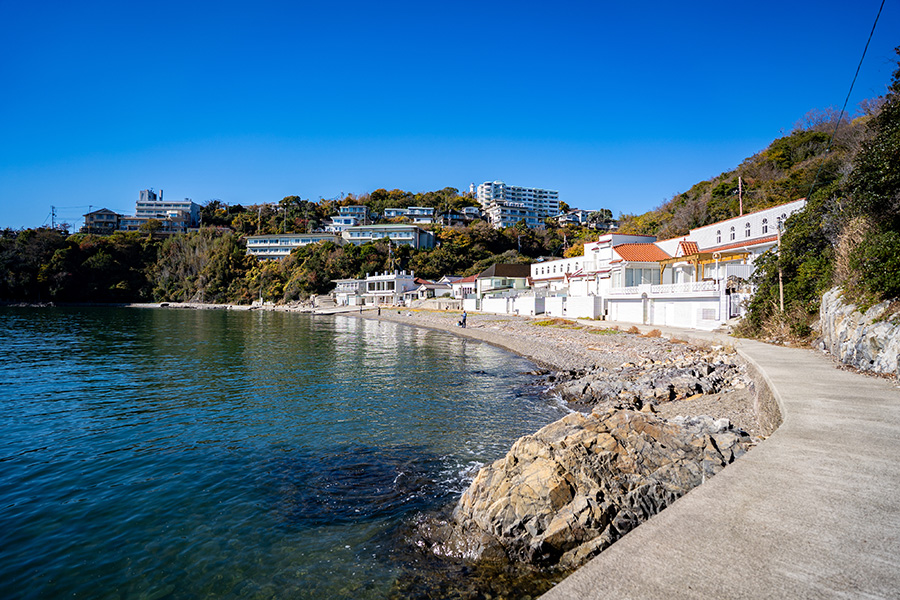
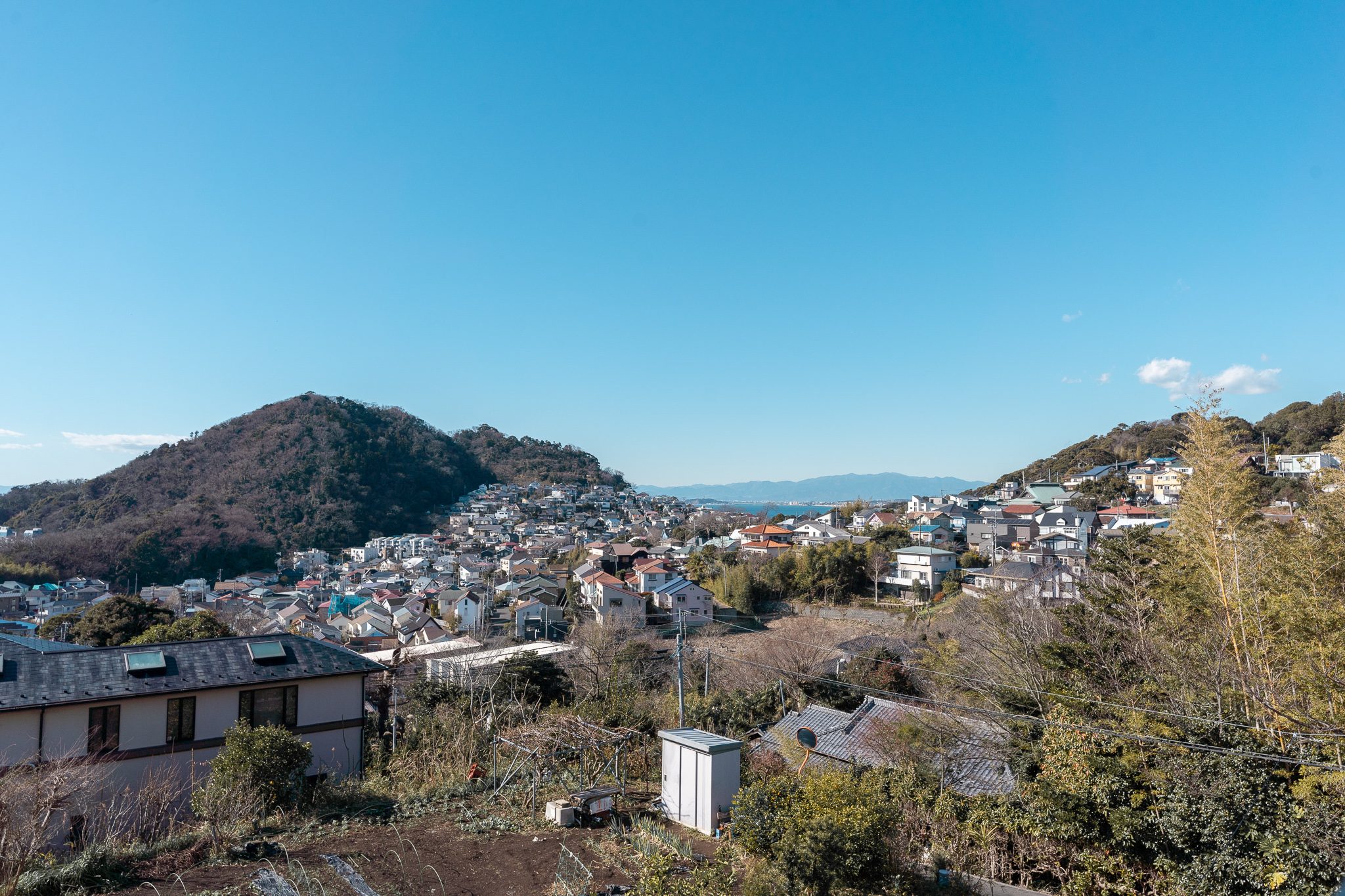
Hayama is a seaside town on the Miura Peninsula, less than an hour from Tokyo, where the Emperor's summer villa overlooks Sagami Bay. It has Isshiki Beach, where locals actually swim, and freshly caught fish from that morning are sold at the market. Ishinomaki in Miyagi Prefecture wasdevastated by the 2011 tsunami, but its subsequent recovery has been remarkable, with murals, craft breweries, and a creative community that has grown on the ruins. Shiogama is one of Japan's leading fishing ports, a place where the chef at an 8-seat sushi counter can tell you about each of his suppliers.
These are not "inauthentic Japan." In some ways, they are a more essential Japan. A Japan that is not fabricated, not performed, but a place where people genuinely live.
The Japanese government is also starting to realize this.The Prime Minister's Office has positioned regional tourism as a pillar of "Regional Revitalization 2.0", and is establishing subsidy programs for organizations that build strategies to guide tourists to rural areas. The direction is correct. The infrastructure to support it is yet to catch up.
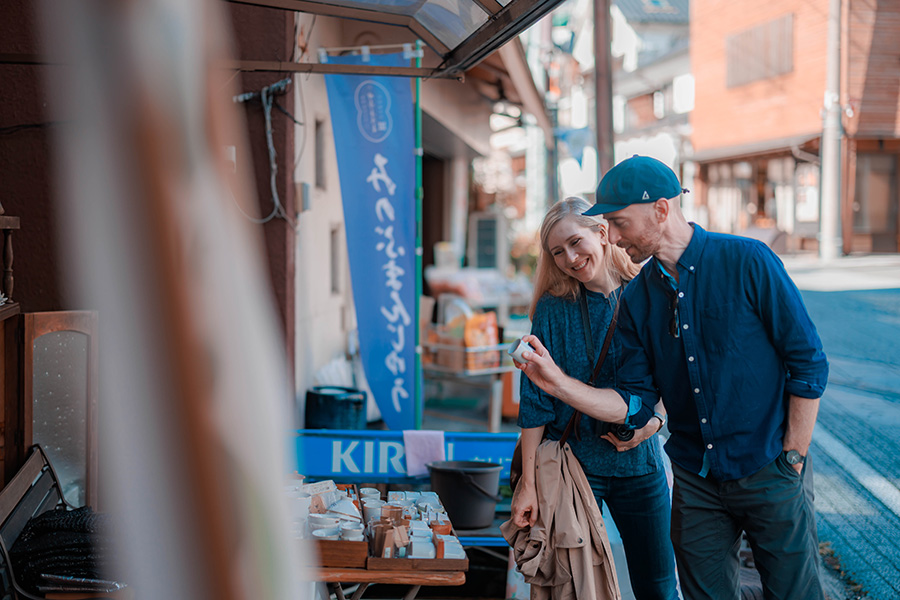
There's a huge difference between a tourist who stops in a town for just three hours and one who stays for two or three nights, or even two or three weeks.
Those who stay shop at local supermarkets. They venture into stores without English menus, driven by curiosity and hunger. They hear from someone they chatted with at their accommodation that "you can fish there" and go looking for a fishing tackle shop. That money stays within the community, not with tour bus companies or national hotel chains.
Japan's rural population has been declining for decades.Empty houses, an aging population, shrinking tax revenues... many towns face a quiet crisis. While tourism alone cannot reverse this trend, it can slow it down. It can create reasons for young people to stay in their hometowns, or to return. It can support the small businesses that make these towns "places worth living in."
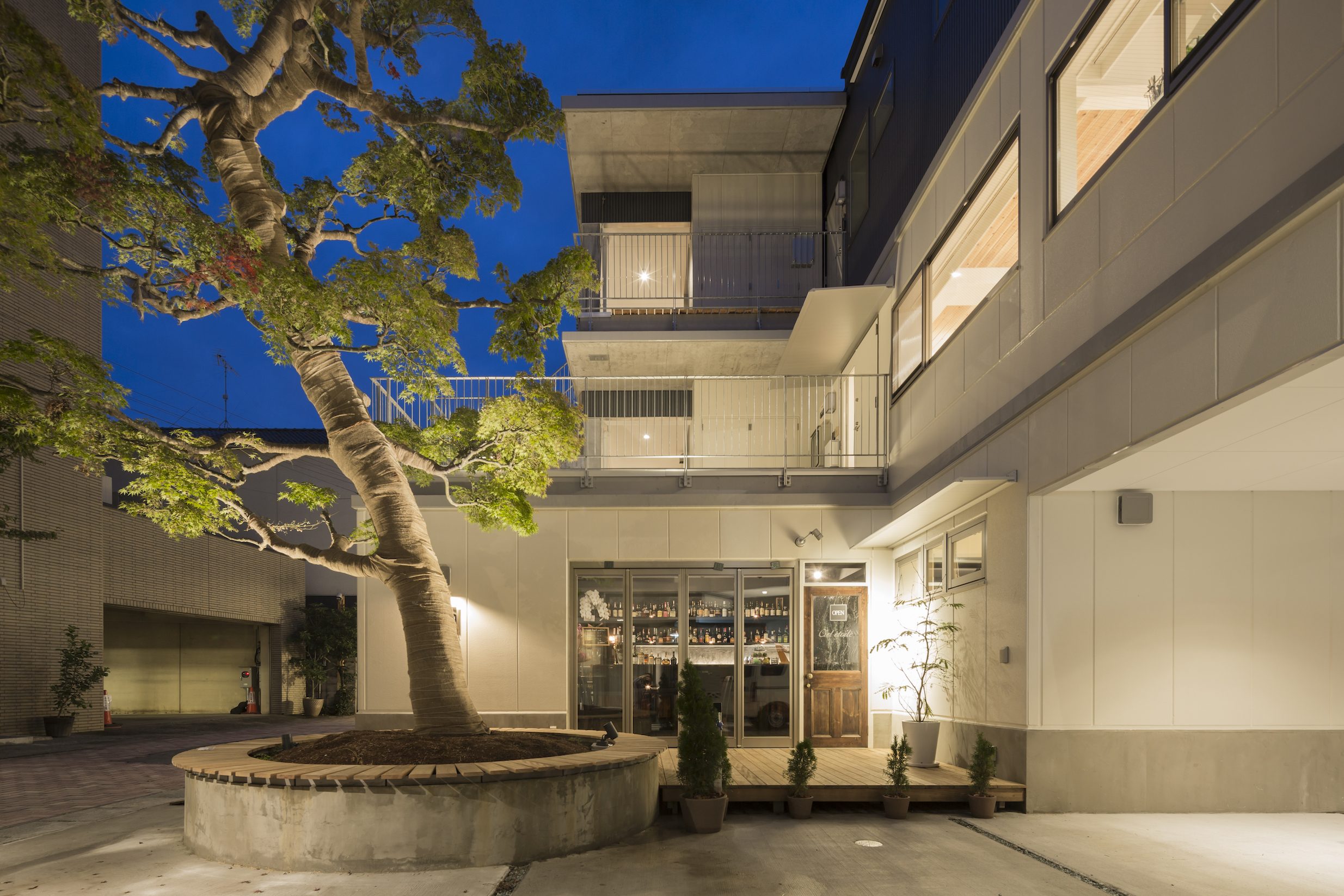
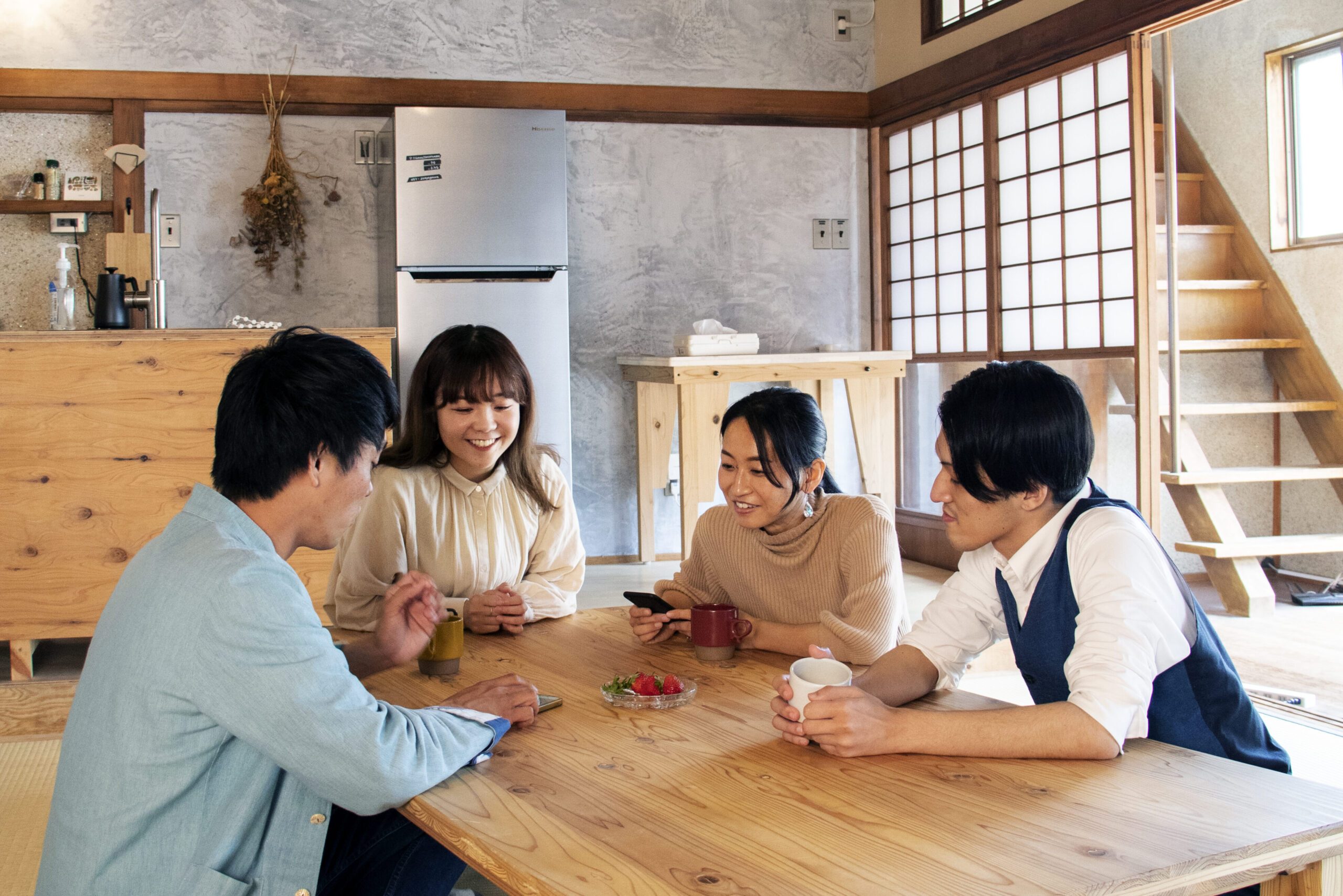
Roopt accommodations range from one night to several months. Short-term rentals can be booked via Airbnb, allowing foreign travelers to use a familiar method. Share houses require no deposit or key money, and a community is already in place upon move-in. We've seen many people come for just a weekend, then extend their stay because they don't want to leave. That's not something you can stage.
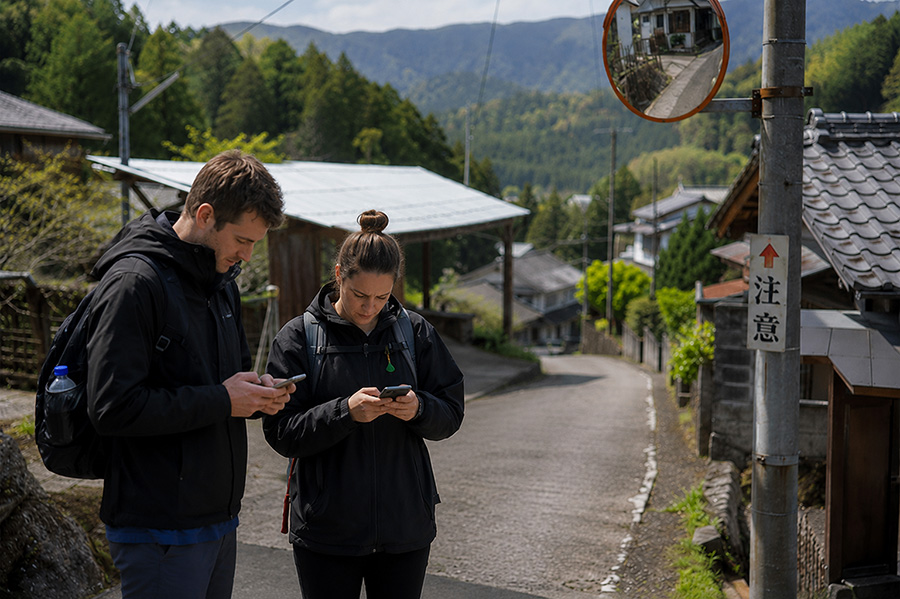
Rural Japan has far fewer situations where English is spoken compared to Tokyo or Kyoto. Signage is almost exclusively in Japanese, and multilingual support at government offices is rare. While restaurant owners and shopkeepers in shopping districts are often welcoming, communication beyond a certain level can be difficult.
For foreign travelers who don't speak Japanese, navigating rural areas alone requires a certain amount of courage. Translation apps help, but they can't replace the peace of mind of being able to handle things yourself if something goes wrong.
Roopt's website is available in English, Spanish, Chinese, and Korean, and we strive to ensure that foreign language speakers have no trouble with procedures during their stay. However, to say that the surrounding towns are equally user-friendly would be an overstatement. At least for now, not yet.
If local governments act in this area, there's potential for significant change. Frankly, it's an underinvested area. Multilingual signs for key services, basic English support at tourist information centers, area guides readable by foreign travelers... these should all be cost-effective initiatives. Travelers who feel confident moving around independently will stay longer, spend more, and return. The businesses are there. The communities are there. Often, all that's missing is the bridge connecting them to travelers.
Installing barriers and charging entrance fees may be unavoidable measures in the most desperate places. But these are treatments for symptoms, not solutions. The fundamental solution is to disperse genuine interest in Japan across a wider area of the country.
Having places to stay outside of major cities. Having experiences that can be found and booked even without Japanese-speaking friends. Having a language environment where one feels "welcomed" rather than "tolerated." And having places that people want to talk about, not just for a photo, but for the time they spent there.
We are a small company. We cannot change this trend alone. But we believe that rural Japan is still undervalued. We want to share this question with the government, the tourism industry, and travelers themselves: "The best of Japan might not be in the most crowded places."
Roopt offers short-term accommodation and share houses in coastal and rural areas across Japan. Short-term stays can be booked via Airbnb. Share houses are available from one month, with no deposit or key money required.
FIND YOUR STAY
Feel free to contact us for inquiries about accommodation bookings, move-in consultations, viewing appointments, media coverage, etc.
Contact Us