Summary of Share House Cases Utilizing Vacant Homes | A Must-Read for Those Interested in Share House Management!
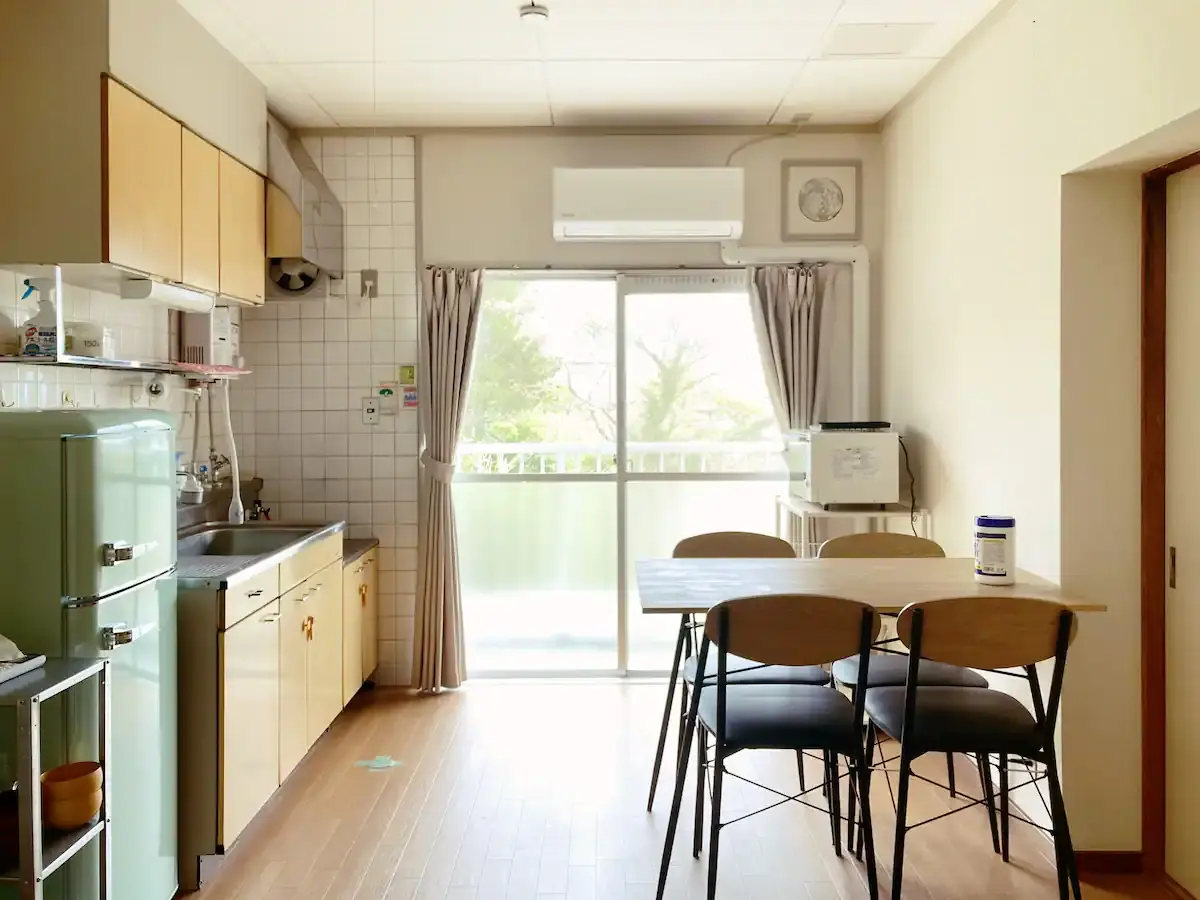
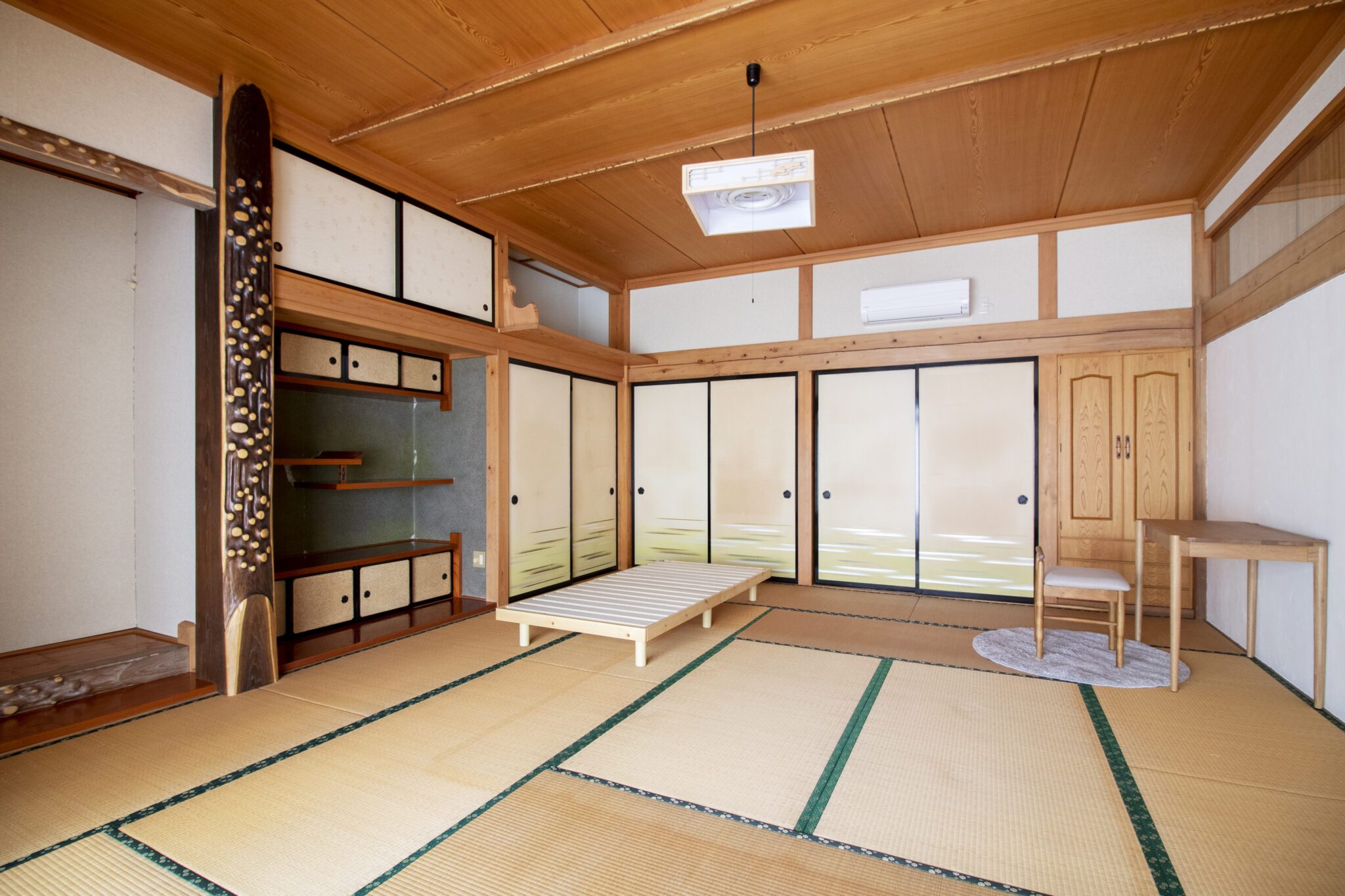
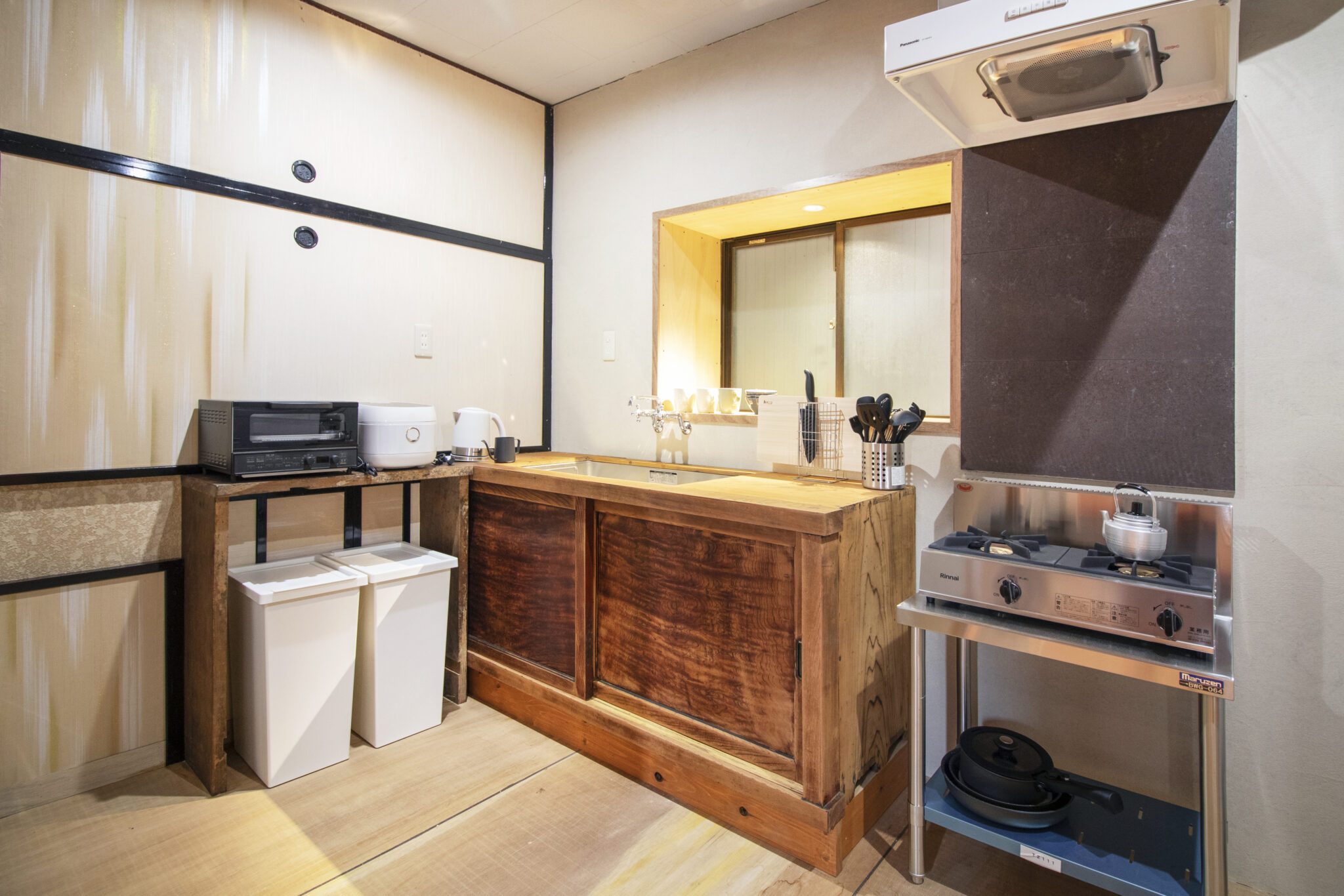
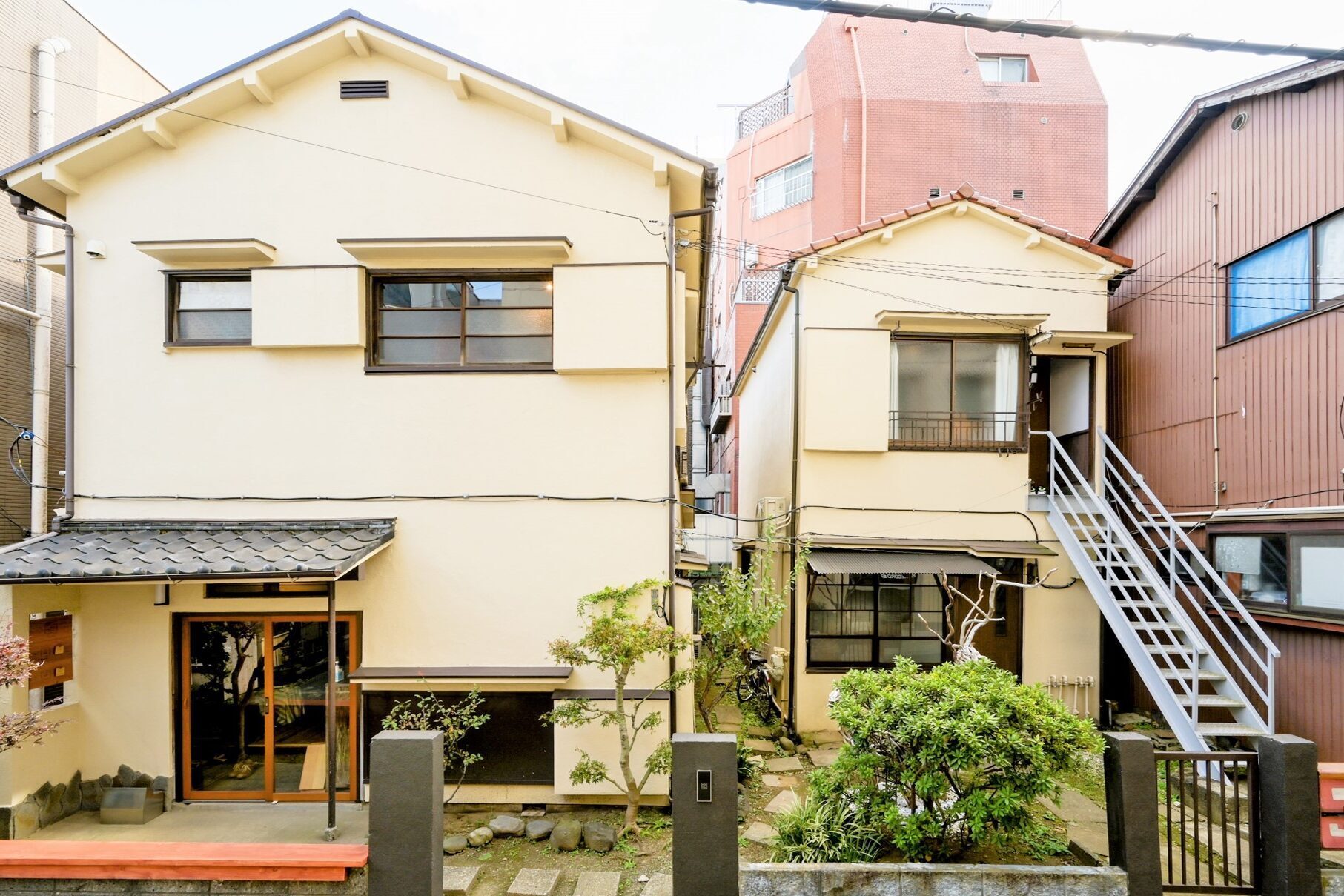
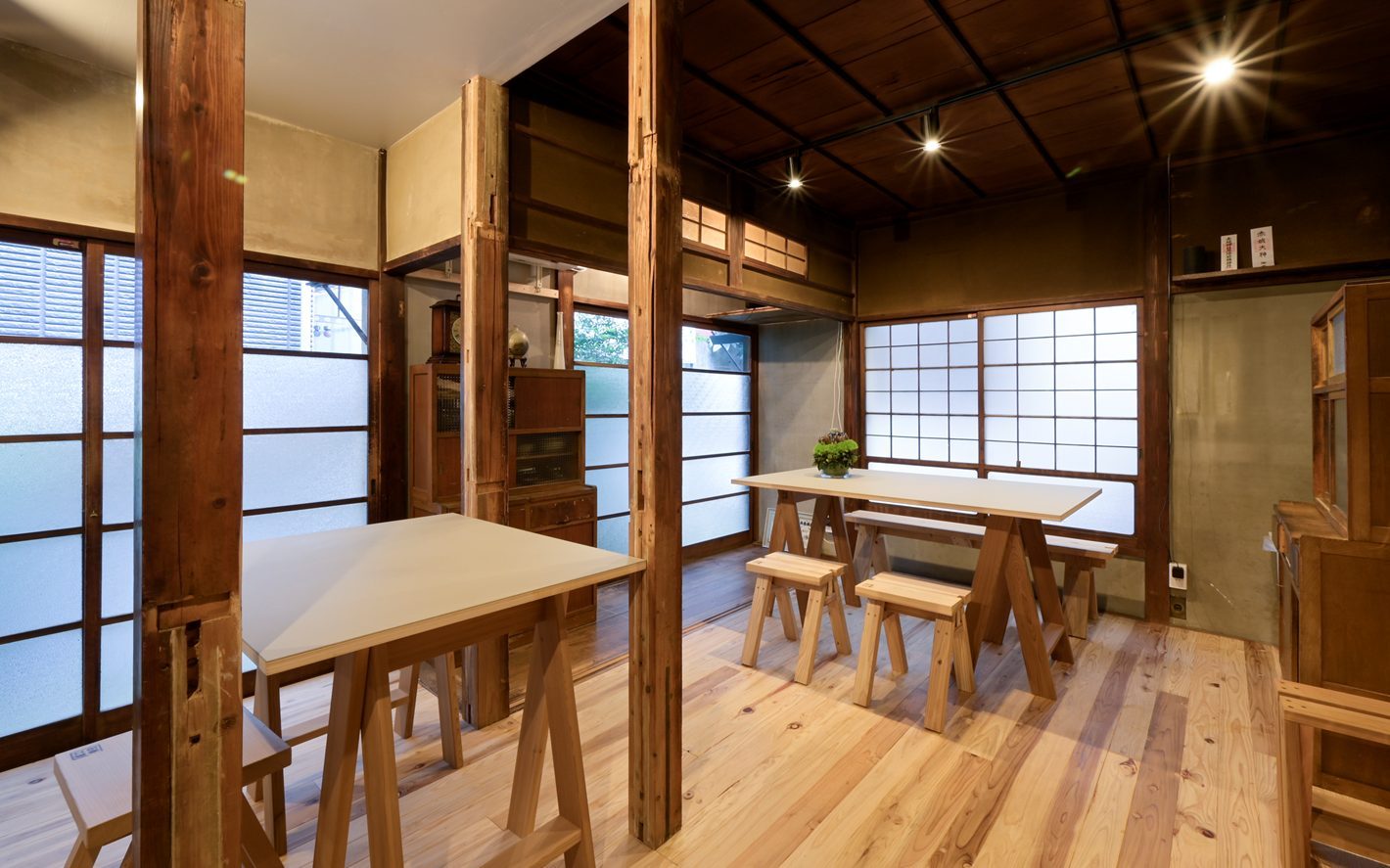
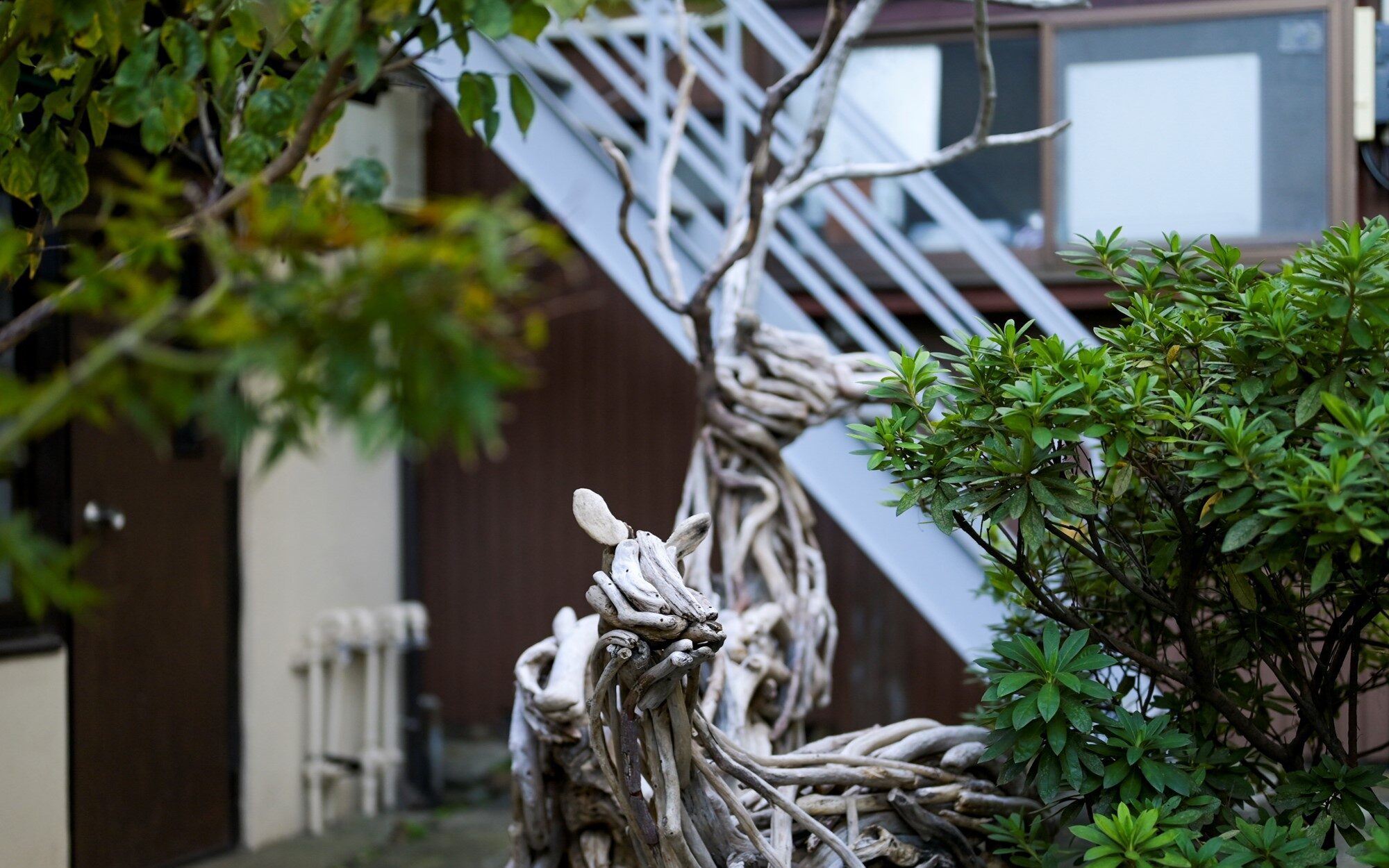
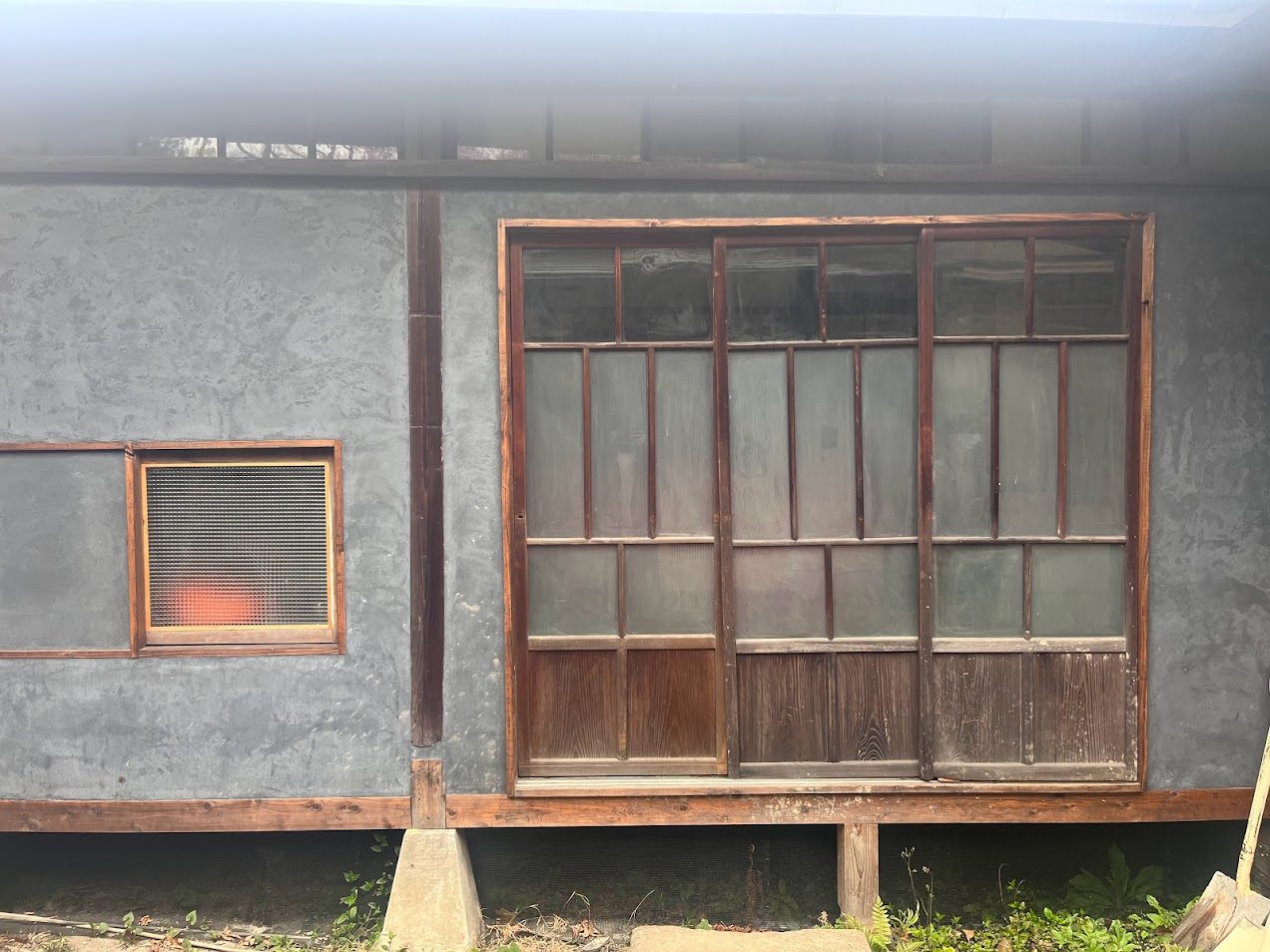
Share houses are becoming widespread throughout Japan, and I get the impression that they are gradually being accepted as a major lifestyle.
Especially in Japan, where the population is declining and the birthrate is falling and the population is aging, "sharing" will be one of the important concepts in the future, and from that perspective, many people think "I want to operate a share house."
For such people, I would like them to consider the option of "operating a share house using a vacant home," and in this article, I will introduce examples from all over the country.
There are procedures and points to note when starting a share house, but for now, I hope you can get an image of "there are such cases" and "I want to do this kind of share house."
Before introducing share houses that utilize vacant homes, let's first touch on the definition of a share house.
A share house is a rental property where multiple people share one residence. Generally, the kitchen, living room, and bathroom are shared, and private rooms are used as private spaces. There are two types: one where a business operator handles everything from recruiting residents to management and building maintenance, and another where friends directly rent from the landlord and share. Compared to regular rental housing, the rent is often cheaper, and in many cases, key money, security deposit, and brokerage fees are not required, which has been considered an attraction. However, recently, in addition to cost benefits, it has gained popularity as a place for residents to connect. Concept share houses with a theme for the property are also expanding, and many share houses that match the residents' lifestyles have been created. (From "Homes: What is a Share House? Real Estate Glossary"https://www.homes.co.jp/words/s2/525002448/ )
To summarize simply, it refers to a living space where a single house or similar is shared with people other than family members.
Sometimes it's used by friends, and sometimes people meet for the first time in the share house.
The benefits of living in a share house are explained in detail in the following article, so please take a look.
What is a Share House? Explained with 12 Recommended Share Houses in Miyagi Prefecture!
Here, we introduce the benefits of starting a share house operation by utilizing vacant homes.
This is a particularly important point for those who were considering new construction.
Compared to building a new share house, a major feature is that the initial investment amount is significantly reduced because there is no need to construct a new building.
Vacant homes can also be used for rent instead of inheritance, and in such cases, they can almost always be rented for less than new properties.
In addition, depending on the vacant home, furniture and home appliances may be used as they are, or there may be no need to significantly change the layout, so renovation costs may also be reduced.
When renovating a vacant home, local residents often lend a hand, and community building can be fostered during the renovation stage, which is another benefit.
The share house becomes a beloved place even for people who don't live there, and those who were involved in the renovation may recommend it to others.
However, human relationships are key, so whether good relationships can be built during the renovation process will be crucial.
The problem of vacant homes is becoming serious nationwide, and utilizing vacant homes also leads to solving regional issues.
Furthermore, by taking over and utilizing historical properties, many local residents are pleased with their use.
Many local governments also offer subsidies for this purpose, so there will be a lot of support available for utilizing vacant homes.
Now, let's introduce examples of share houses across Japan that utilize vacant homes.
Even if you're thinking "I want to operate a share house," please consider the option of a vacant home.
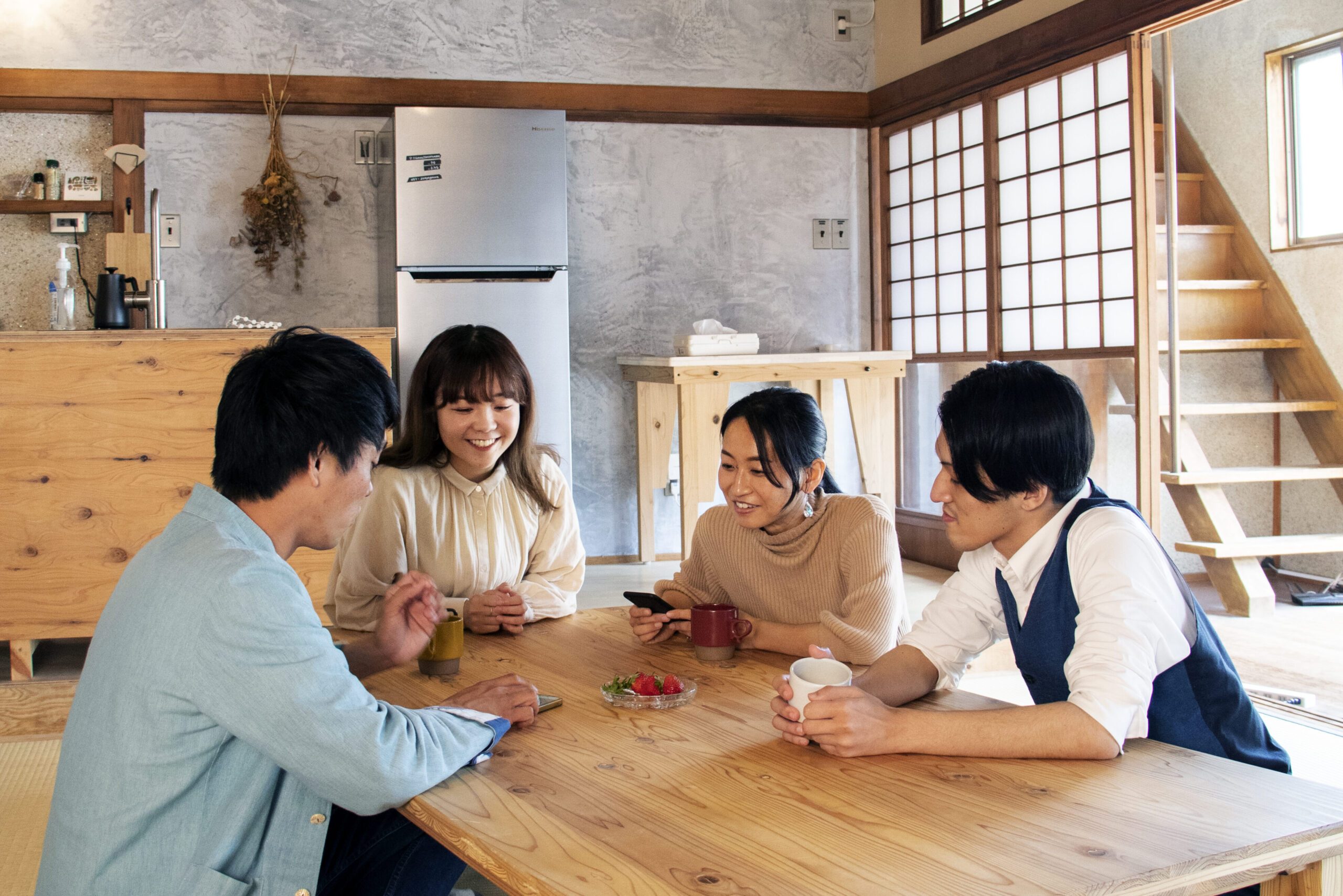
"Engawaya" is a share house in Mitaka City, Tokyo, with the concept of "creating together, gathering together, connecting everyone."
A vacant house built approximately 60 years ago was renovated in consultation with local residents and opened in 2019. Since then, it has continued to be a hub connecting the community and residents as a "share house that lives with the town."
It operates as a complex type of share house x shared space, with various events held in the shared space and residents growing vegetables in a shared farm with local residents, making it a place where "anyone can drop by casually."
The HP states "We operate the share house with this policy," which is very helpful for share house management.
Address: 4-18-2 Shinkawa, Mitaka City, Tokyo 181-0004 Access: 30 minutes by bus + walk from JR Mitaka Station Opened: 2019 URL: https://engawaya.org/
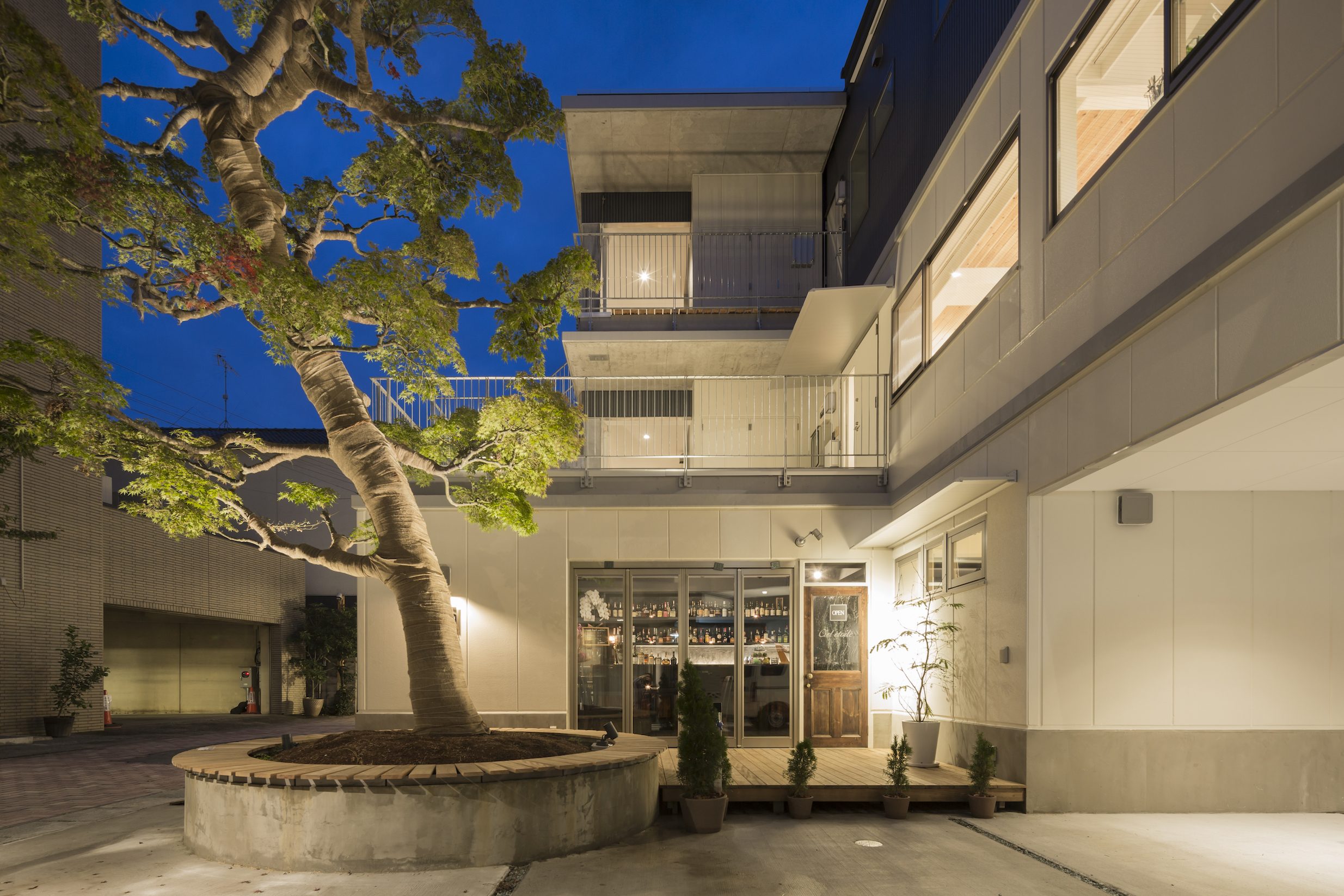
"b.e.park" is a share house that operates as a mix of various forms: spice dining x book cafe x event space x share house.
This complex facility, which started with the concept of "creating an adult playground," has a restaurant on the first floor and a share house on the second floor and above.
new encounters are born.
Share house residents can use the restaurant space as a co-working space, and having many places to come and go is a welcome point for residents.
Address: 3-31-3 Soshigaya, Setagaya-ku, Tokyo 157-0072
Access: 2 minutes walk from Soshigaya-Okura Station on the Odakyu Odawara Line
Opened: 2020
As the name suggests (?), "Muscle Training Share House Higashi-Ikebukuro" is a share house with a personal trainer.
Utilizing a wooden property built approximately 50 years ago, it has been operating as a share house with a personal trainer and an attached training gym since January 2023.
It utilizes the spacious total floor area of 149.30㎡ across the first and second floors, and its good location in Higashi-Ikebukuro is also a factor. It features a focused targeting of "men in their 20s and 30s who want to train regularly."
A common problem is that people give up training midway when they are alone. This is covered by the benefit of having a personal trainer.
Address: 6-32-4 Otsuka, Bunkyo-ku, Tokyo 112-0012
Access: 6 minutes walk from Higashi-Ikebukuro Station on the Tokyo Metro Yurakucho Line
Opened: 2023
URL:https://kintore-sharehouse.com/
The student-only share house "NK Building" was created with the support of Wakayama City's "FY2022 Subsidy Program for Developing Student-Only Share Houses in Vacant Urban Properties."
This subsidy program, with conditions of "up to two-thirds of the total cost of renovation work required to convert into a share house (up to 2 million yen per room)," utilized the 3rd and 4th floors of a vacant building, renovating them into a student-only share house.
By providing a community space with a shared kitchen on the 3rd floor and three private rooms on the 3rd and 4th floors, it creates a space where residents can converse while also ensuring private spaces.
It can be said to be a good example of utilizing local government subsidies to renovate a vacant home and establish a share house.
Address: 47 Hashicho, Wakayama City, Wakayama Prefecture 640-8215
Access: 8 minutes walk from JR Wakayama Station
Opened: 2023
URL:http://www.city.wakayama.wakayama.jp/_res/projects/default_project/page/001/049/448/20220329-2.pdf
Roopt operates share houses utilizing vacant homes in Miyagi Prefecture and Tokyo (as of October 2023).
Here are some examples of Roopt's share houses that utilize vacant homes.
Roopt Ishinomaki Hiyorigaoka is a share house located near the summit of Hiyoriyama, one of Ishinomaki City's symbols.
It utilizes a property that was originally used as a company dormitory for an insurance company, and has been operating as a share house with guest rooms since 2022.
While share houses often have a single entrance and everyone is in the same space, Roopt Ishinomaki Hiyorigaoka, due to its history as a company dormitory, has four separate living spaces, with several people sharing each space.
Hiyorigaoka is a particularly safe area in Ishinomaki, and some residents choose this share house for that sense of security.
Roopt Okumatsushima in Higashimatsushima City, Miyagi Prefecture, is a share house and guesthouse with 6 private rooms and 1 vacation rental room.
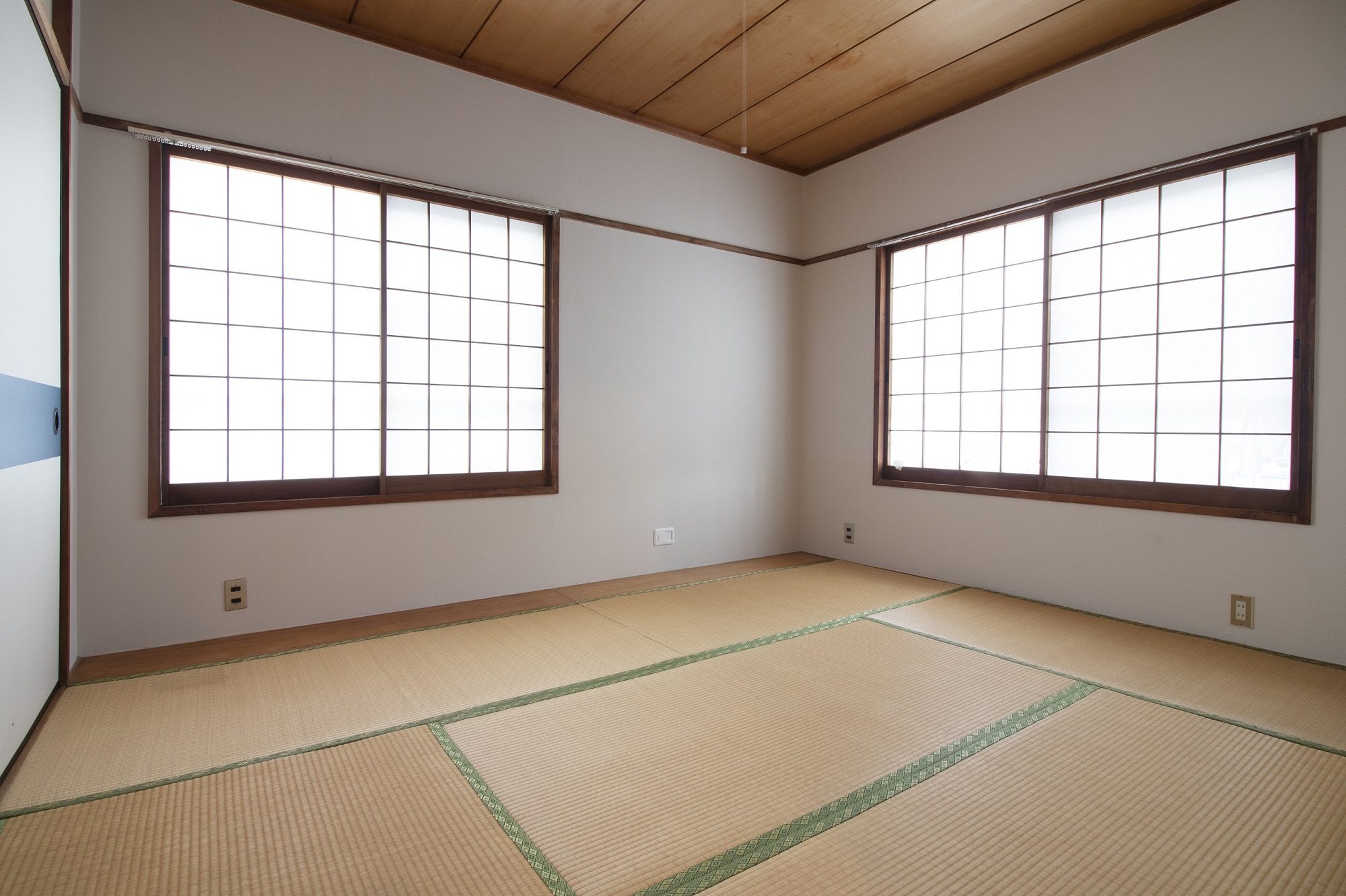
Although it was originally a single-family home, it is so spacious that residents can live in private rooms averaging 12.25 tatami mats, which is rare for a share house.
One of its features is the renovation work done to increase the number of share house rooms, such as adding partitions and removing fusuma doors to create walls.
Utilizing the spacious living room, it is also used as a venue for events and workshops, where residents and local people enjoy interacting.
Roopt Shiogama Kaigandori, located a 1-minute walk from JR Hon-Shiogama Station, utilizes the 2nd to 4th floors of a 4-story building, renovated into a share house.
By separating the 2nd floor for shared spaces like the living room and bathroom, and the 3rd and 4th floors for private rooms, residents can choose to spend time alone or interact with others.
Additionally, there is a guest room next to the 2nd-floor living room, allowing for natural interaction between share house residents and guests.
This Roopt Shiogama Kaigandori also involved adding and shifting walls to secure rooms for the share house.
Roopt Kagurazaka, located a 2-minute walk from Kagurazaka Station on the Tokyo Metro Tozai Line, operates as Japan's first DAO-type share house utilizing Web3 technology.
This is a system where even non-residents can be involved in share house management, and proposals and discussions for share house improvements are conducted online.
As a result of operating as a DAO-type share house, sales increased 1.7 times in one year, and profitability significantly improved.
It utilizes two adjacent vacant homes, with one operating as a dormitory living space and the other as a co-working space and gallery.
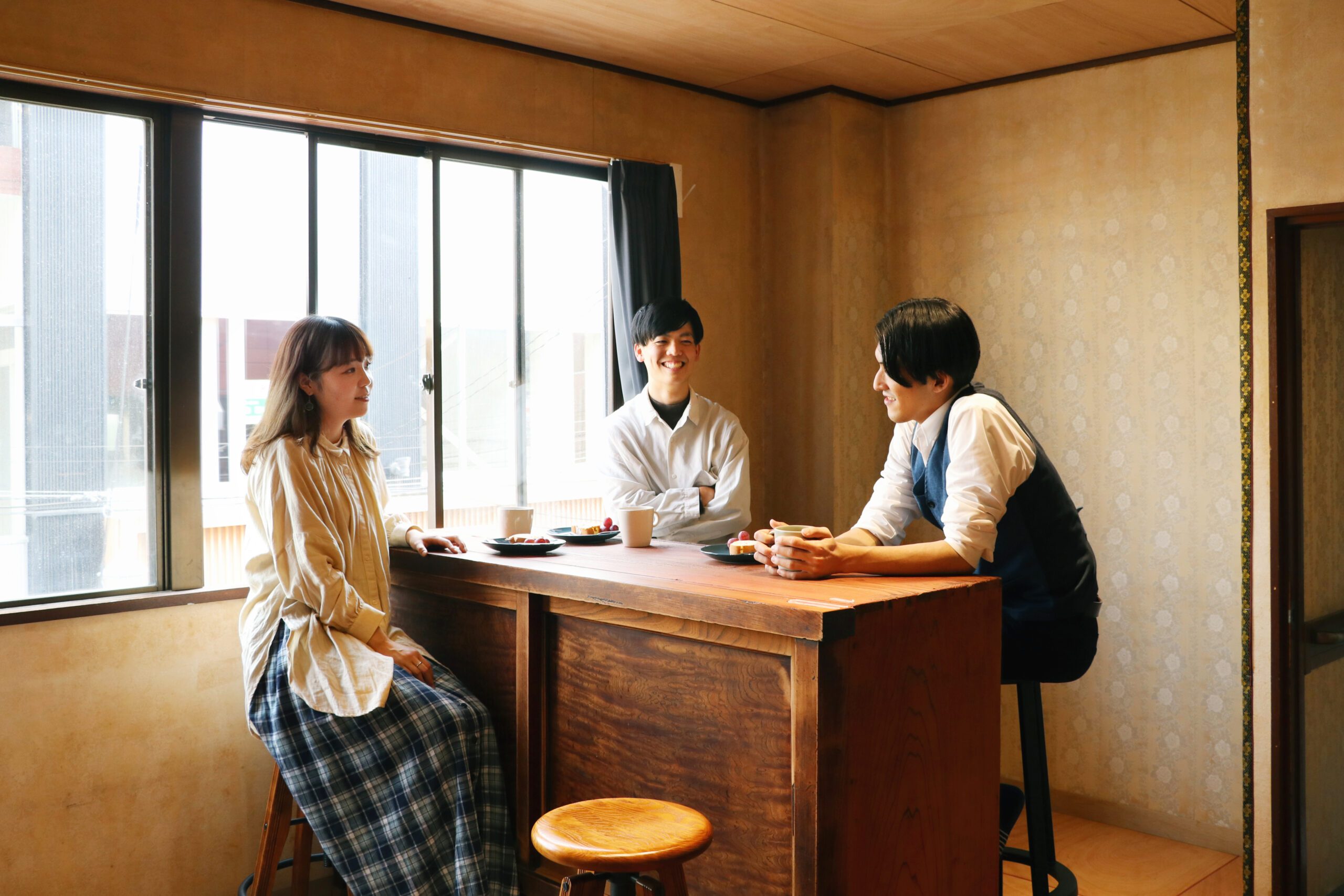
Roopt Sumida Kyojima - Cactus House - in Sumida Ward, Tokyo, where you can feel the atmosphere of old Tokyo, operates as a student-only share house.
It's a 90-year-old single-story row house with a garden where cacti grow, and it has been renovated to be comfortable while retaining its retro atmosphere.
Located about a 12-minute walk from Oshiage Station, it's conveniently located for commuting to school, so the owner hopes that students from various universities will use it and create synergy.
In an era of declining population and rising prices, we anticipate that more share houses utilizing vacant homes like this will emerge even in Tokyo.
This time, we introduced share houses across Japan that utilize vacant homes.
In Japan, where the number of vacant homes is increasing and the population is declining and aging, "utilizing vacant homes as share houses" also leads to solving social problems.
We hope this will be helpful to those who are struggling with how to utilize their vacant homes, or those who are thinking "I want to run a share house someday."
FIND YOUR STAY
Feel free to contact us for accommodation reservations, move-in consultations, viewing appointments, interviews, etc.
Contact Us