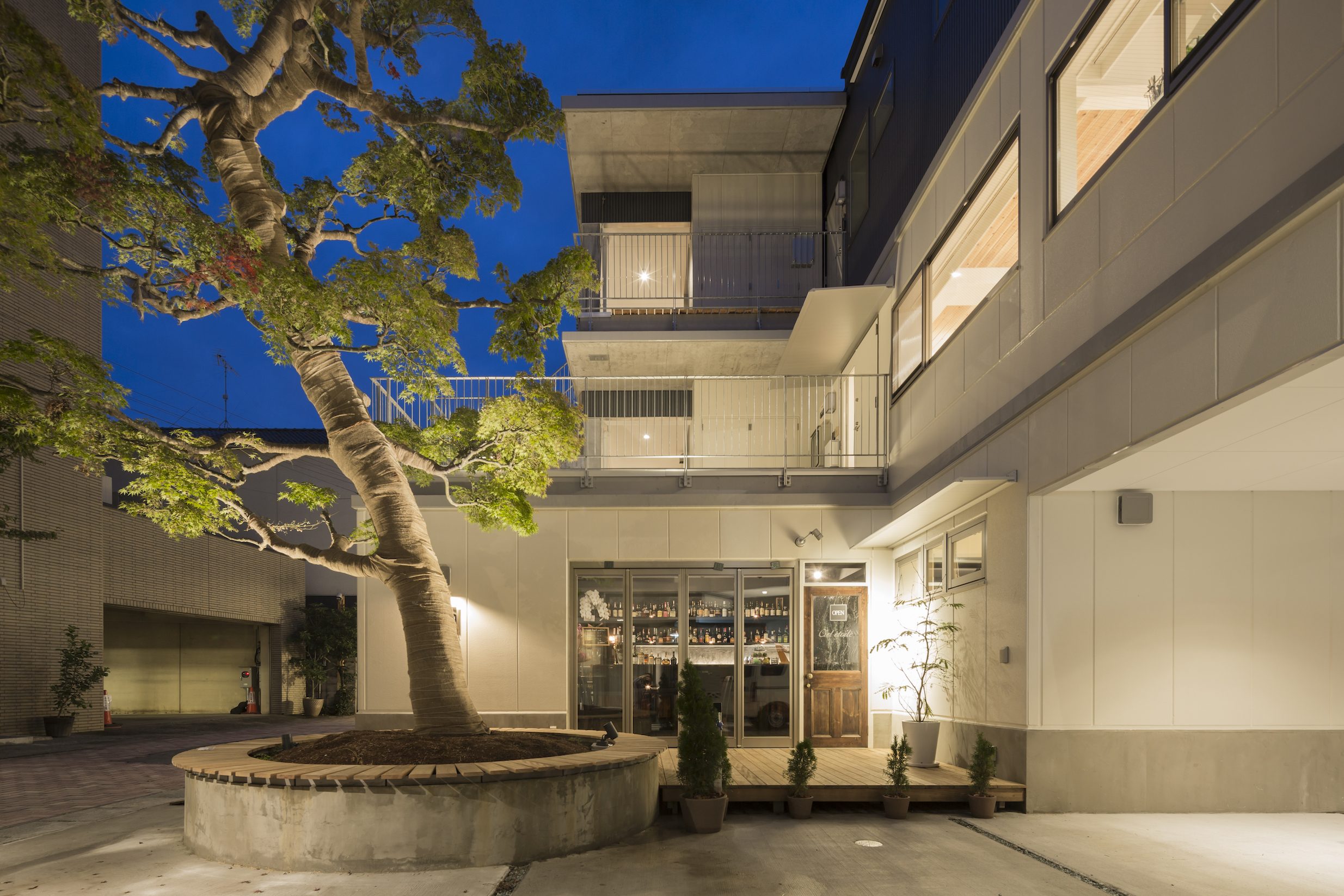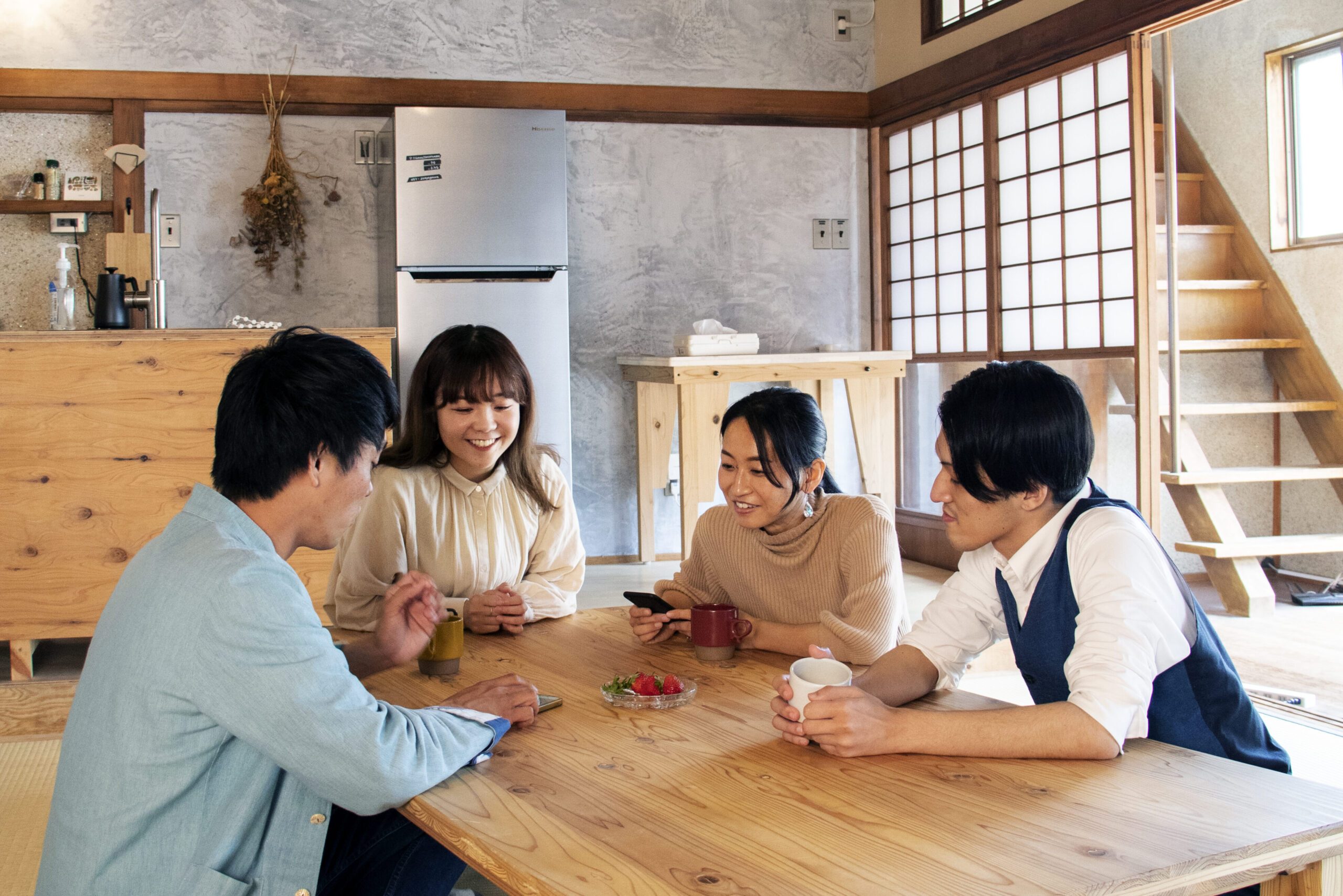
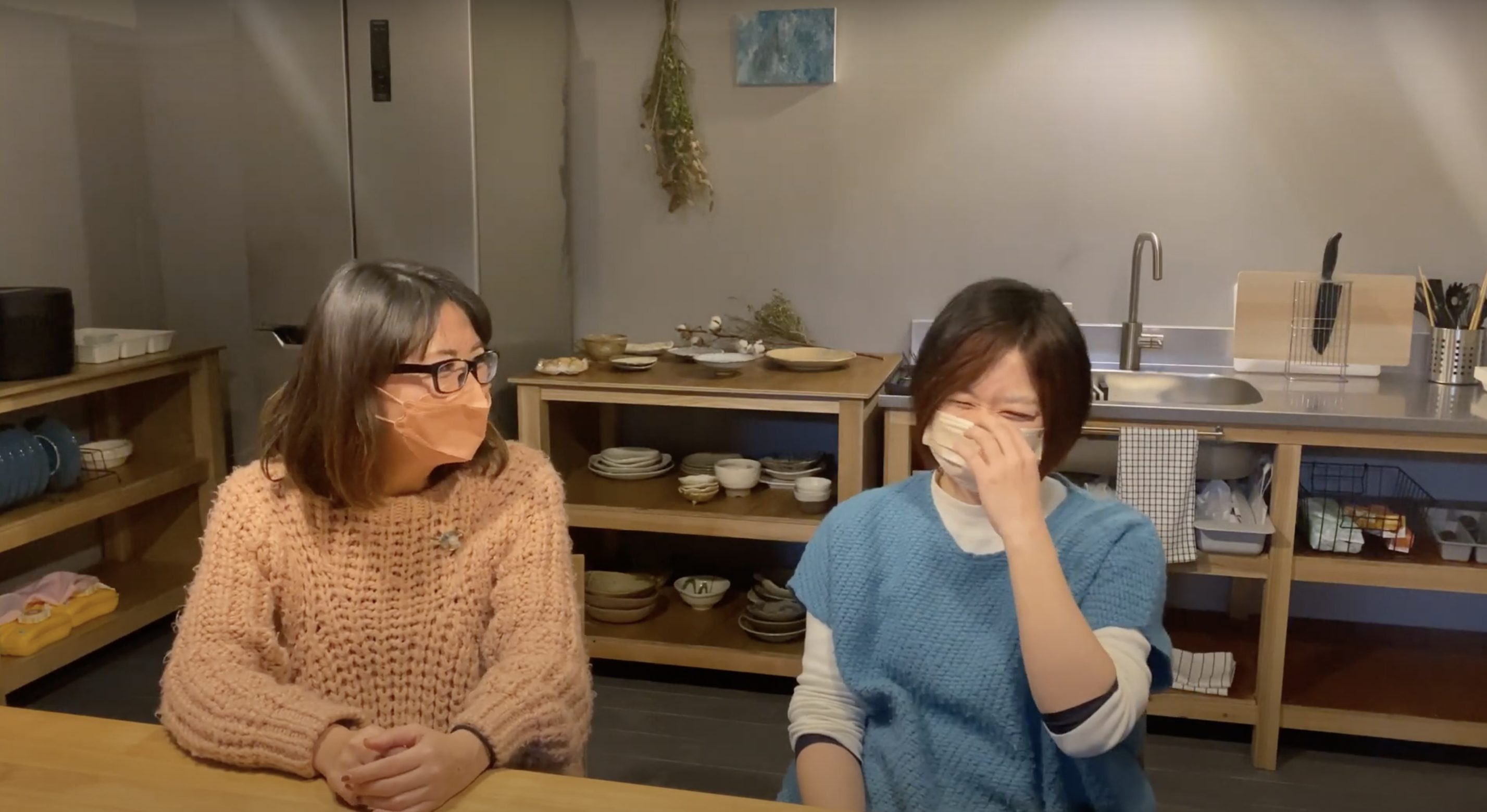
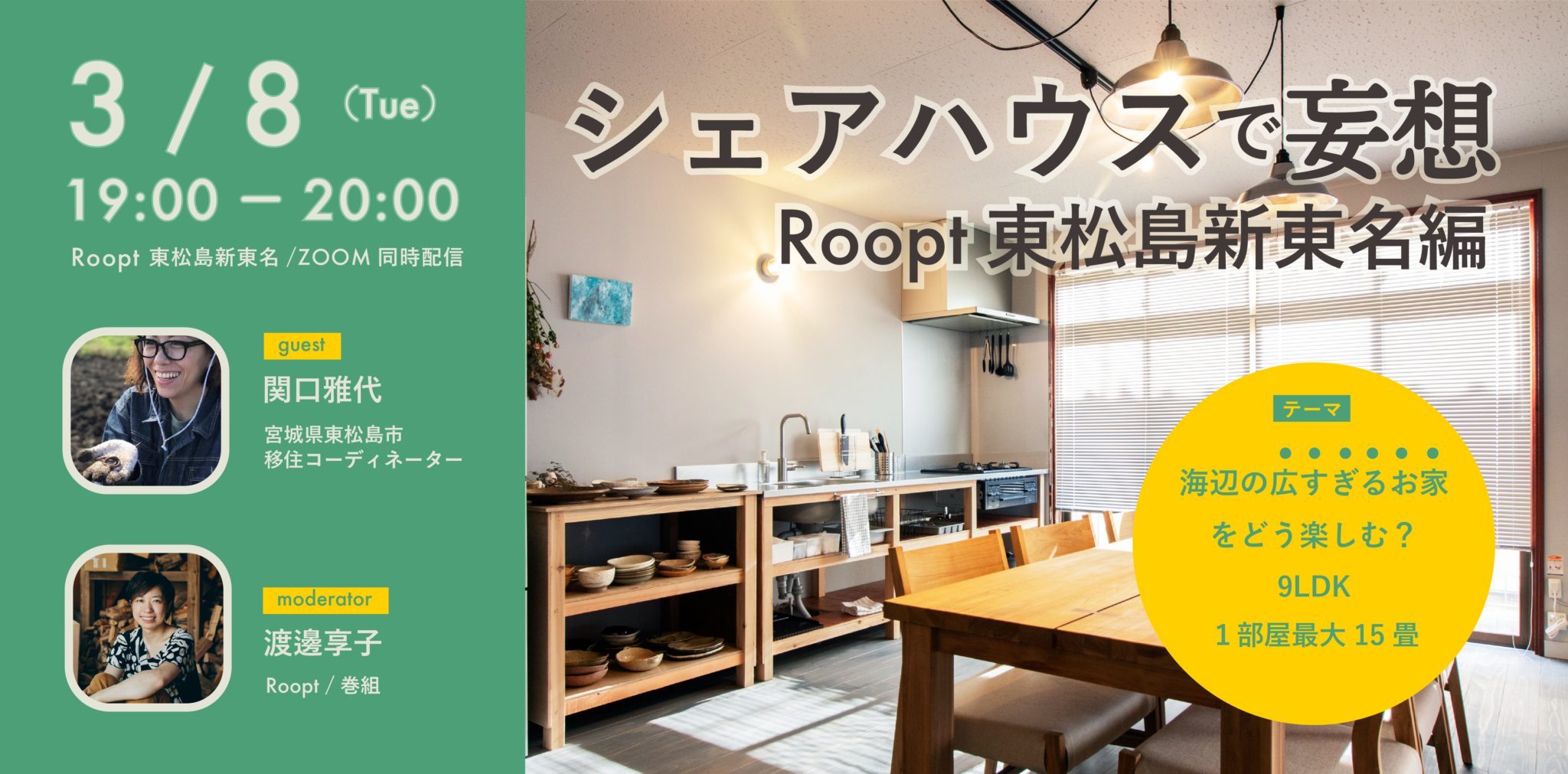
"Daydreaming in a Share House" is a talk event held at Roopt, a share house utilizing retro properties, where landlords and guests freely imagine fun ways of living, such as "it would be nice if we could do this" and "it would be nice if we had that." For this first installment of the Higashimatsushima Shintonae edition, we invited Masayo Sekiguchi, who works as an immigration coordinator for Higashimatsushima City, connecting people with the city and people with each other, and daydreamed about life at Roopt Higashimatsushima Shintonae.
The event generated many daydreams from Ms. Sekiguchi and the participants, living up to the theme of "How to enjoy a too-spacious house by the sea?" We encourage our readers to also imagine what they would like to do in a spacious house by the sea as they read.
Born in Tokyo. Worked as a graphic designer at a music production company in Tokyo, designing CD jackets and concert merchandise for artists. Started volunteering in Tohoku after the Great East Japan Earthquake, and moved to Higashimatsushima City, Miyagi Prefecture in 2016. As a regional revitalization cooperator, she designed city posters and packaging for farmers and fishermen, while also establishing the civic group HxImagine to plan exciting events for the town. Currently, as an immigration coordinator, she is involved in various activities related to promoting migration and settlement.
First, let me briefly introduce Roopt Higashimatsushima Shintonae, the setting for this "daydreaming" session.
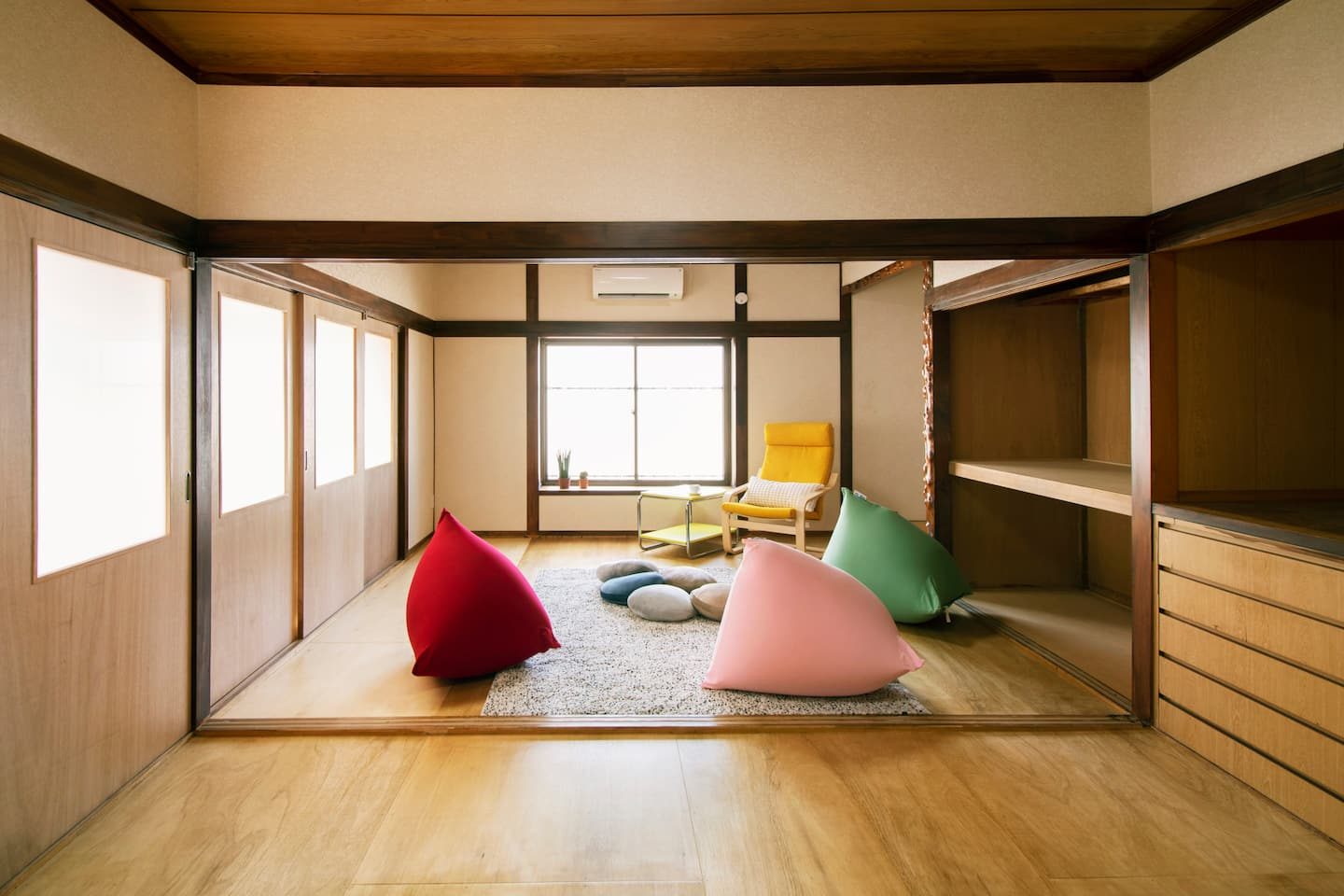
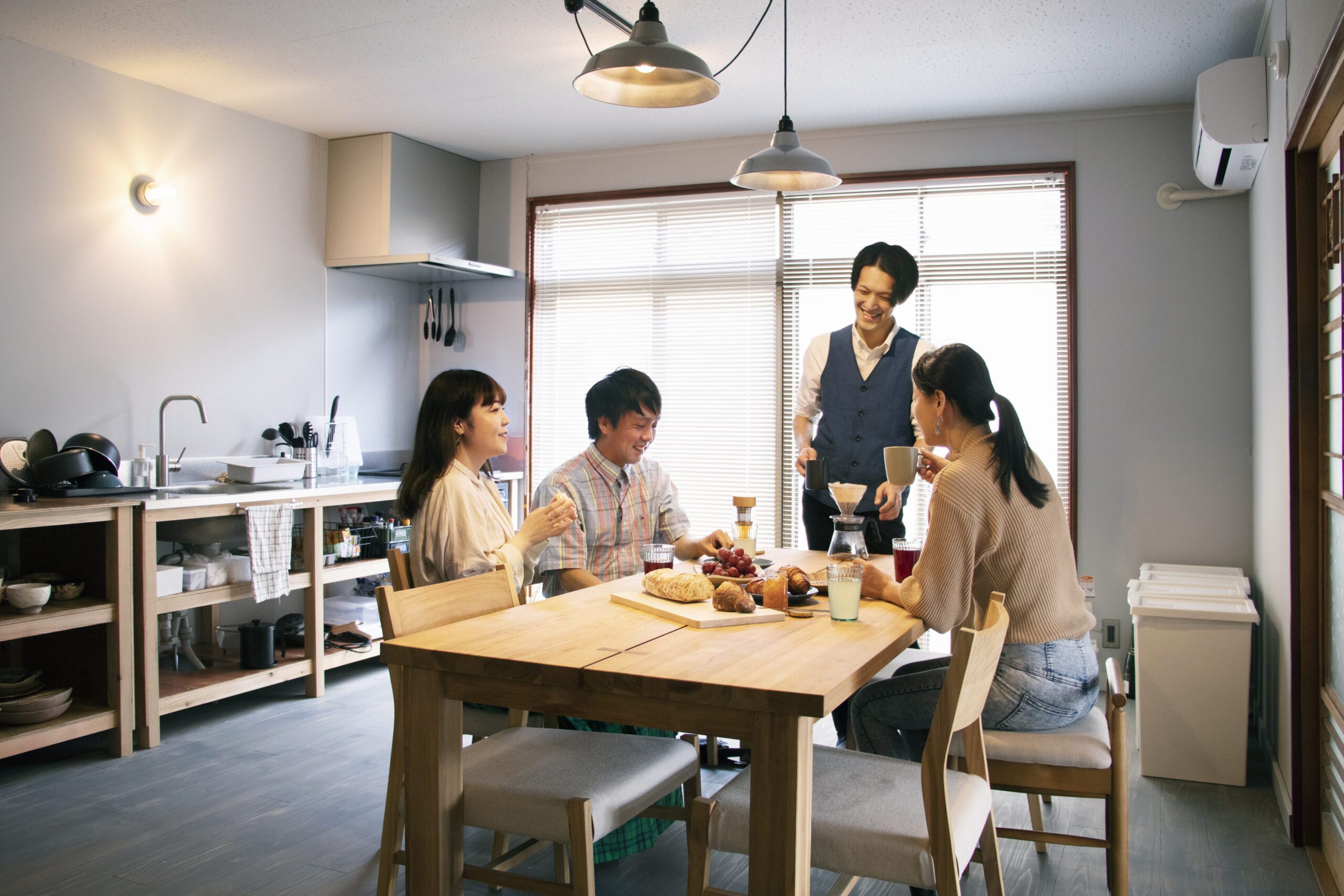
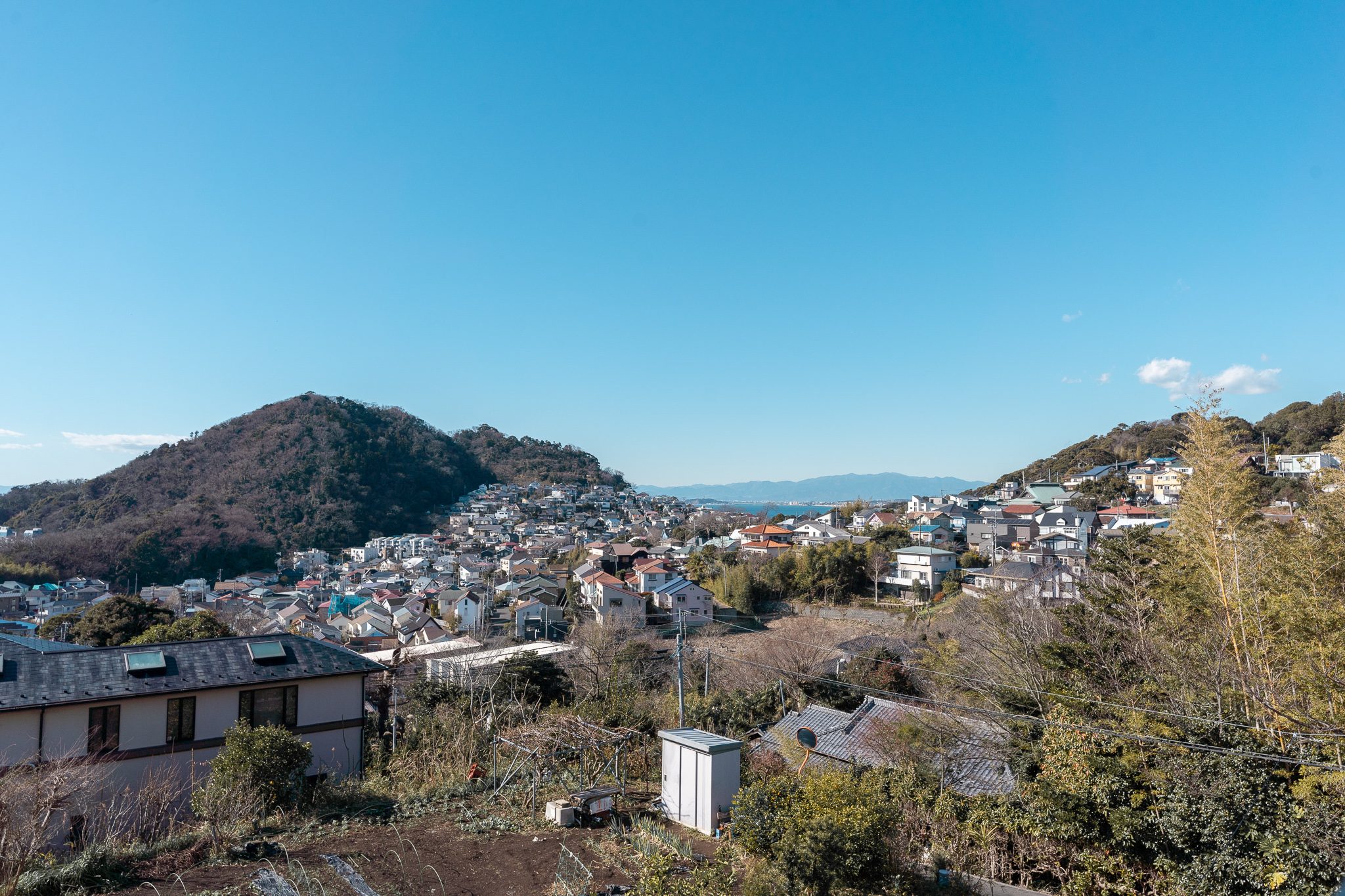
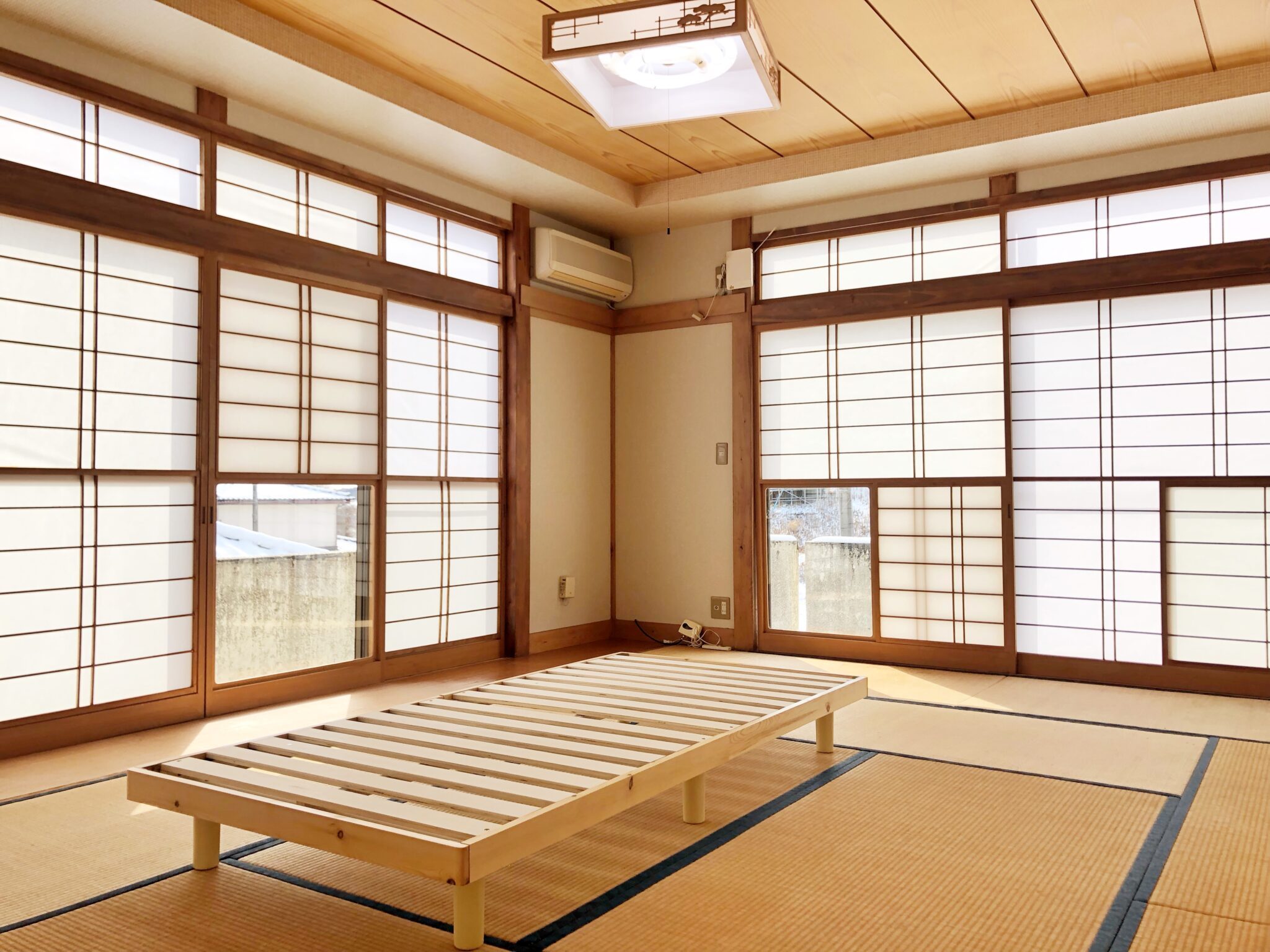
Roopt Higashimatsushima Shintonae is a share house and guesthouse located in Higashimatsushima City, east of Matsushima, one of Japan's three most scenic views. It features 6 private rooms and 1 vacation rental room. Its most notable feature is the "spaciousness of the rooms," averaging 12.25 tatami mats, making it suitable not only for individuals but also for couples or families. It is a two-story share house located a 15-minute walk from Higashinonae Station on the JR Senseki Line. With a large balcony on the second floor and the sea nearby, it is a base that offers enjoyment both "inside" and "outside" the share house.
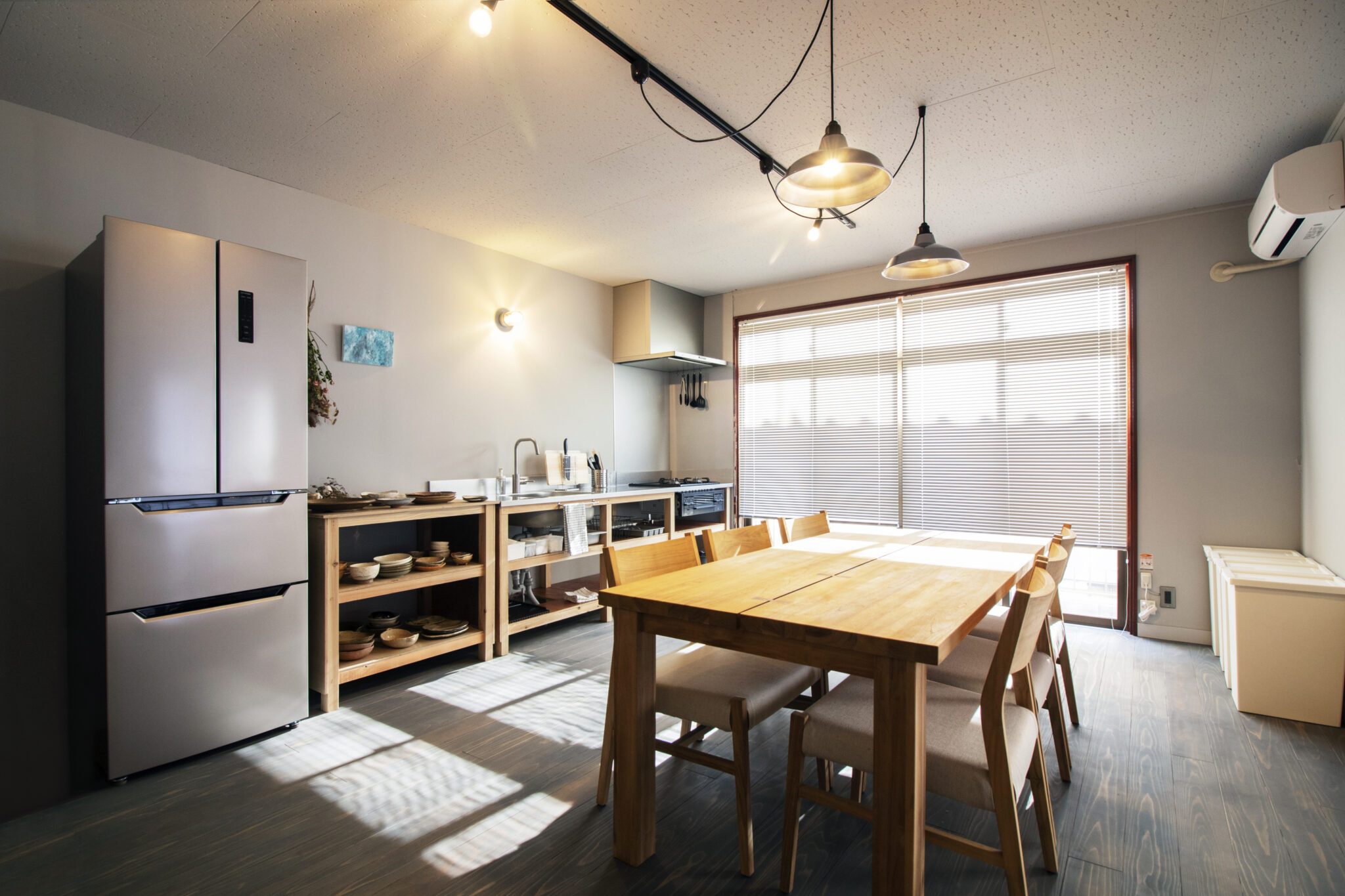
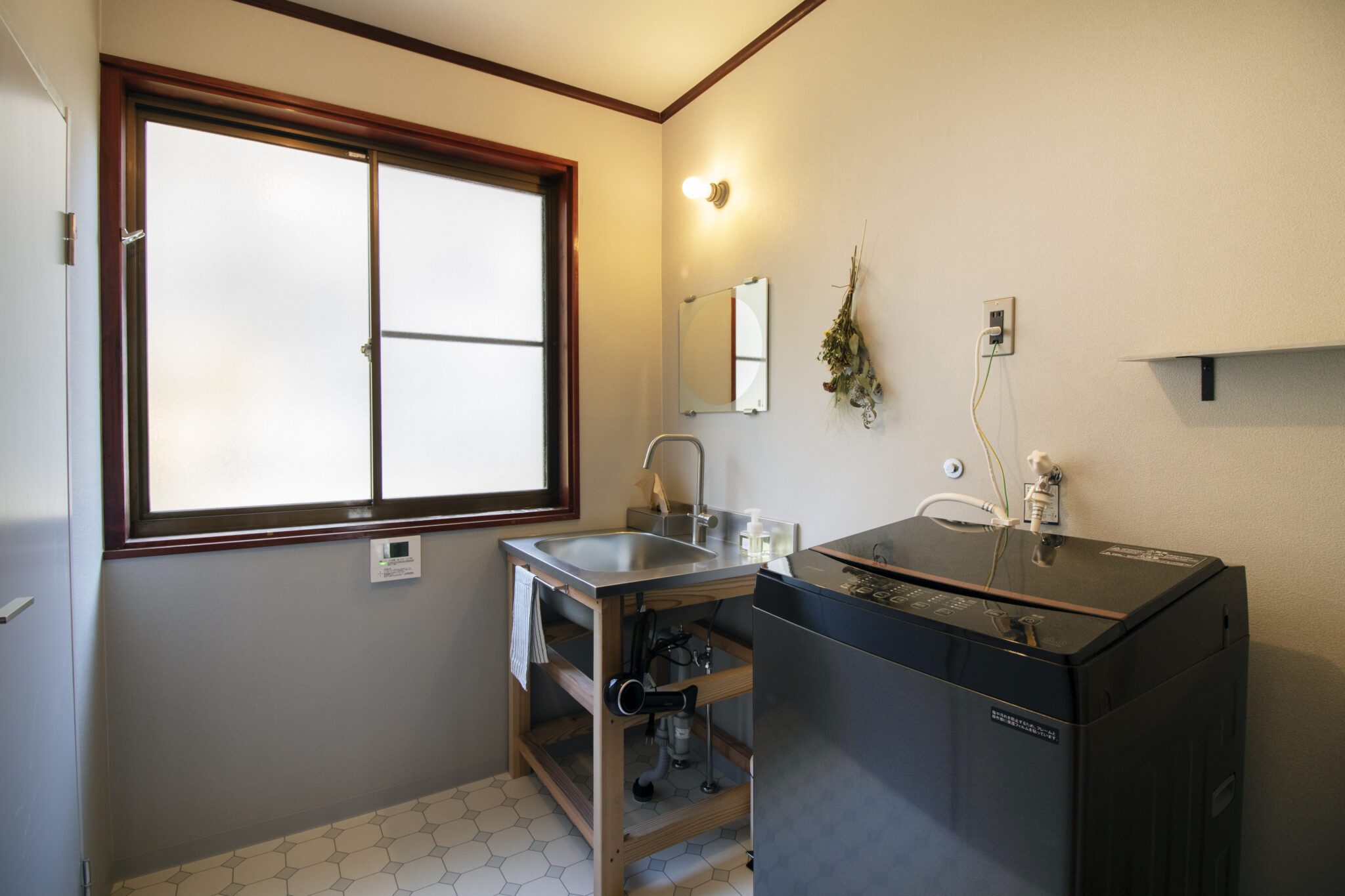
If you would like to know more about Roopt Higashimatsushima Shintonae, please refer to this share house information page.
The first half of the event, a talk session, was moderated by Kyoko Watanabe, CEO of Makigumi Inc., the owner of the "Roopt" share house, who asked questions to the guest, Ms. Sekiguchi. Many questions and comments were also received from event participants, making for a very pleasant atmosphere.
Watanabe: Ms. Sekiguchi, you were appointed as a regional revitalization cooperator in Higashimatsushima City in 2016 and are still active as an immigration coordinator for Higashimatsushima City, but before that, you worked in Tokyo, right?
Sekiguchi: Yes, I worked as a designer in the music industry for 13 years. I designed CD jackets and tour merchandise for artists, and as a coordinator, I sometimes went on location scouting with photographers and others. It was an enjoyable job, but I had to quit due to overwork, which was my time in Tokyo.
Watanabe: I hear you even designed merchandise for super famous artists. How did you end up moving to Higashimatsushima from there?
Sekiguchi: I had been coming to Miyagi frequently since 2011 as a volunteer for disaster recovery, so I already had a connection. Some time after I resigned, someone from the Higashimatsushima City Hall asked me, "Would you like to work for the city as a designer?" I never imagined I could live in Miyagi as a designer, so I immediately said "yes" and decided to move and work there. To be honest, I initially thought I was being hired as a city hall employee, and only later found out I was a regional revitalization cooperator (laughs).
Watanabe: That's an interesting behind-the-scenes story (laughs). You're currently working as an immigration coordinator, but are the number of immigrants actually increasing?
Sekiguchi: Yes, they are increasing. The city is also putting a lot of effort into immigration support, and perhaps thanks to that, the recognition of the name "Higashimatsushima City" itself seems to be increasing. The neighboring town of Matsushima is certainly famous, but it feels like over time, people have come to understand that "there is a city called Higashimatsushima that is different from that one."
Participant 1: Compared to Sendai and Ishinomaki, what do you think are the advantages of moving to Higashimatsushima?
Sekiguchi: Sendai and Ishinomaki have many interesting people, and I sometimes envy that, but on the other hand, Higashimatsushima offers greater opportunities for involvement. The distance between residents and businesses is also close, so I feel it's easy to receive consultations like, "Can you do this?" By the way, since it's a 35-minute train ride from Sendai, the number of people moving from Sendai is also increasing.
Watanabe: It might be a city with many opportunities for those who want to work hard and succeed.
Watanabe: Going back a bit, what kind of life did you have in Tokyo?
Sekiguchi: Actually, I lived in a share house the entire time I was in Tokyo. So, I was quite happy when you contacted me this time (laughs).
Watanabe: Is that so! What kind of share house was it?
Sekiguchi: I lived with people in similar professions to mine, such as media editors and TV professionals, but everyone had different work hours, so even people in the same room sometimes didn't see each other for more than half the week (laughs). However, even if I couldn't see them, just feeling someone's presence gave me a sense of security, so I think that's the good thing about a share house that you don't get when living alone.
Watanabe: It prevents loneliness, doesn't it? Has your life changed since you moved to Higashimatsushima?
Sekiguchi: Higashimatsushima was the first time I lived alone, and there were both good things and things I missed. The good thing was that I could live in a spacious house for about the same rent as a single person in Tokyo, and I found it enjoyable to have a comfortable life. On the other hand, even living alone, the room felt too big, and it was financially and physically challenging to buy all the furniture and appliances.
Watanabe: In a share house, you don't have to prepare things yourself and can share them, so that's a big advantage of a share house, isn't it?
Sekiguchi: And having acquaintances there is also a mental support, which is another advantage of a share house.
FIND YOUR STAY
Feel free to contact us for inquiries about accommodation reservations, move-in consultations, viewing appointments, interviews, and more.
Contact Us