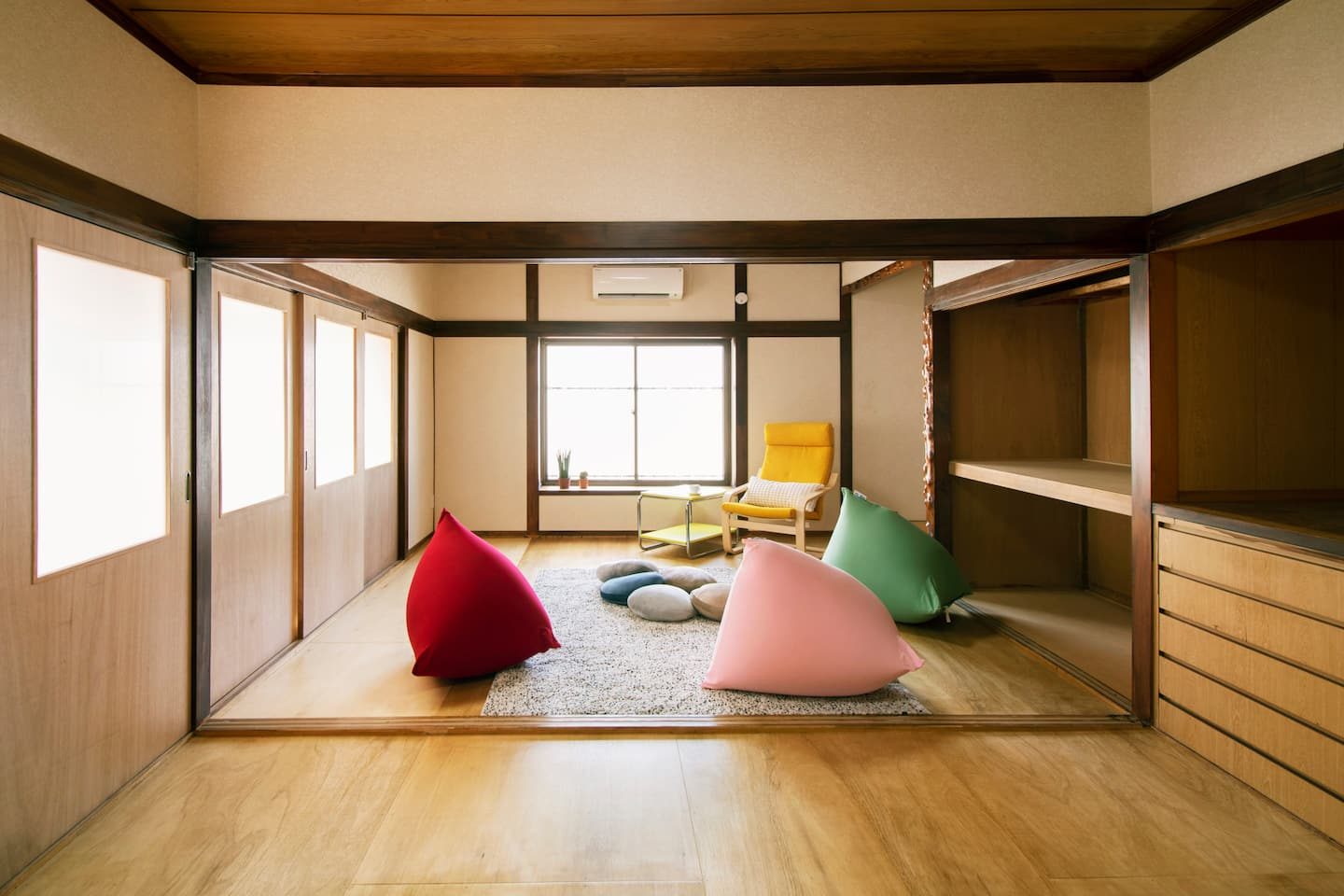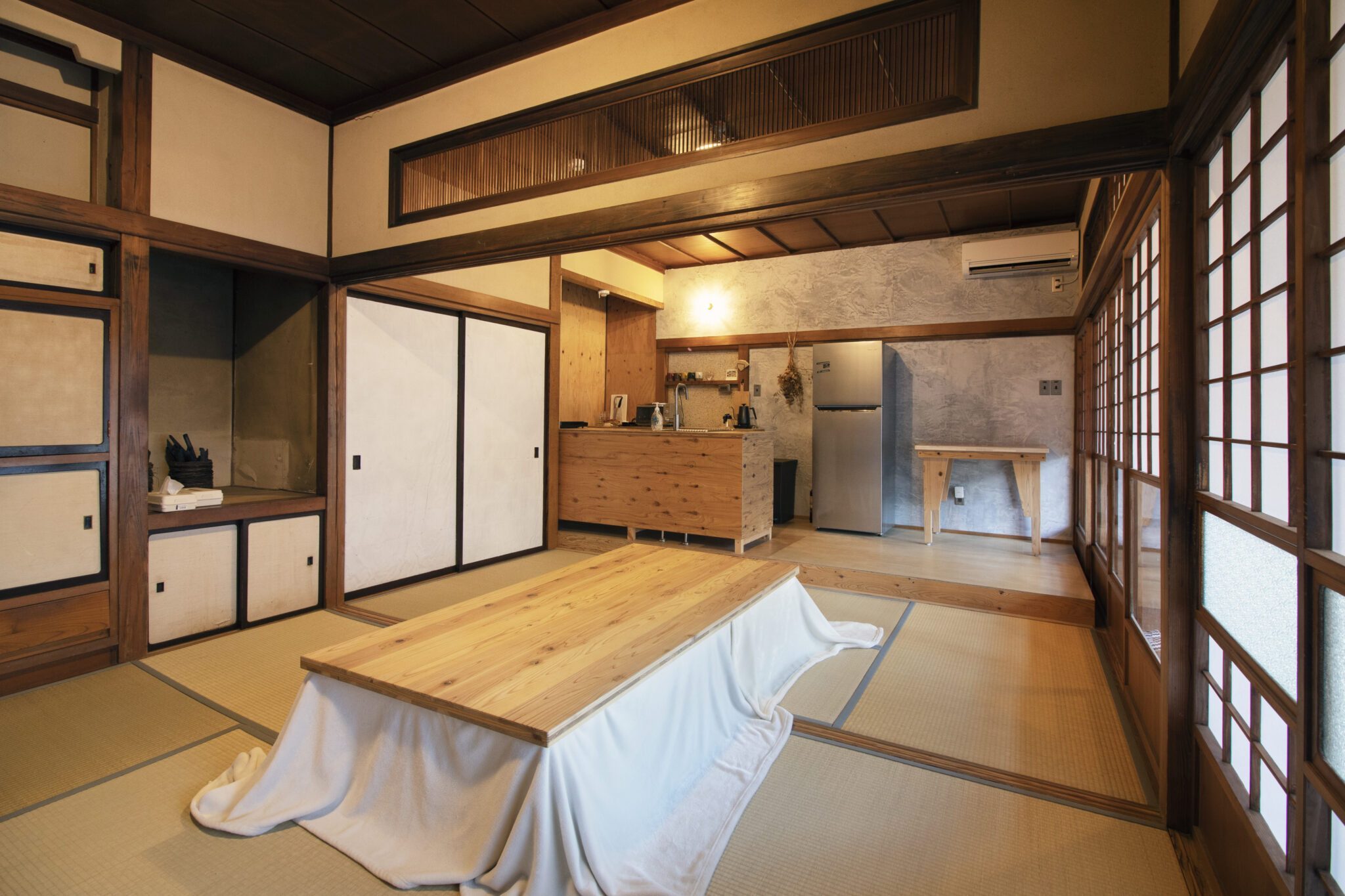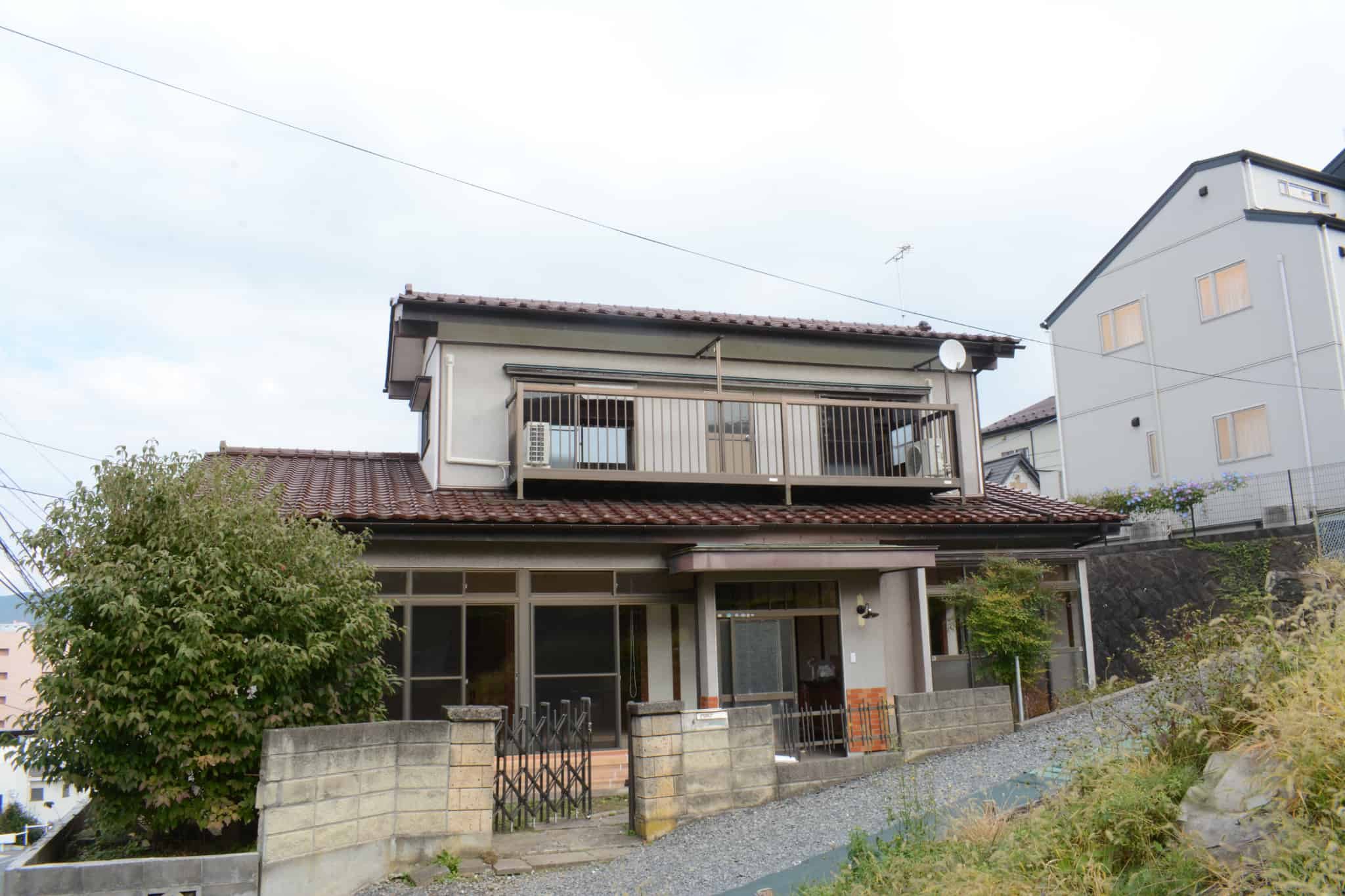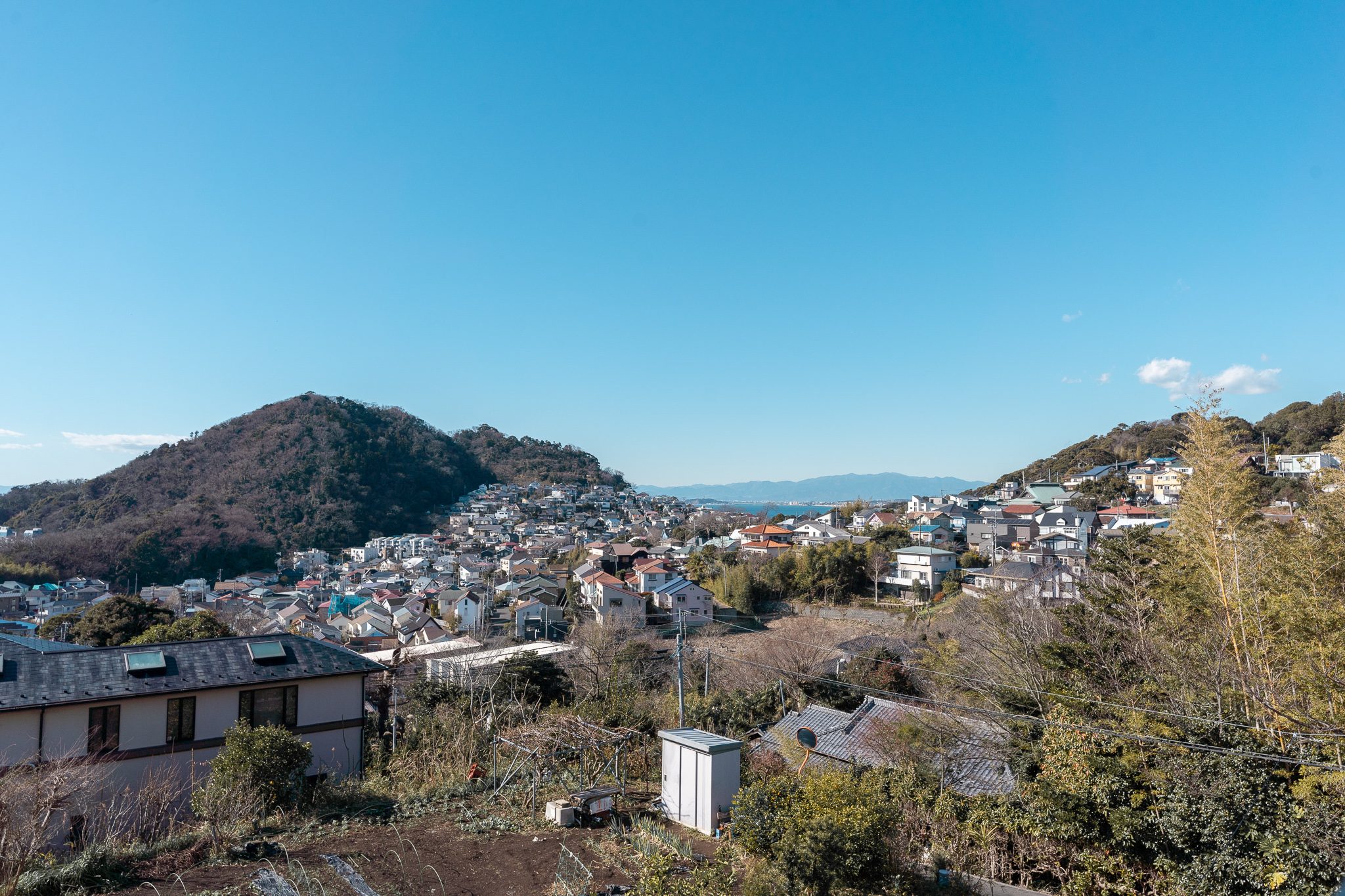
Roopt has many appealing points, and one of them is "renovation." Makigumi Inc., which operates Roopt, is a company specializing in renovating vacant houses, and Roopt is filled with the techniques Makigumi has cultivated.
When we explain the renovation ingenuity to visitors, many get excited, so we thought, "Let's put it in an article and reach more people!" and thus, we've created an article explaining Roopt's renovation. We hope you'll discover more about the charm of Roopt Shiogama Kaigan-dori through the explanation by Makigumi's PR representative, Hiratsuka. *Presented in an interview format by editor/writer Takashi Kakuda
Roopt Shiogama Kaigan-dori is a 4-story share house located about 30 minutes by train or car from Sendai Station, and a 1-minute walk from Hon-Shiogama Station on the JR Senseki Line. The 2nd floor has a common space and rooms for vacation rentals, while the 3rd and 4th floors have a total of 5 private rooms (A to E) for the share house. It's a place where you can experience the "artistic" atmosphere of Shiogama, with features like a bookshelf utilizing the staircase steps, a tricolor painted ceiling, and tatami mats, which were waste materials from the renovation, embedded in the walls.
—First, please tell us about the overall theme!
Shiogama City, where Roopt Shiogama Kaigan-dori is located, is one of Miyagi's leading port towns and a city rich in history, with places like Shiogama Shrine. We've incorporated various elements throughout the property so that residents can feel this atmosphere. Also, Roopt Shiogama Kaigan-dori has a theme of "renovation without waste," meaning we try to utilize scrap materials from the renovation process as much as possible instead of discarding them.
—That's a sustainable initiative.
Yes, it is. As I'll explain later, we've made some interesting uses, so please look forward to it.
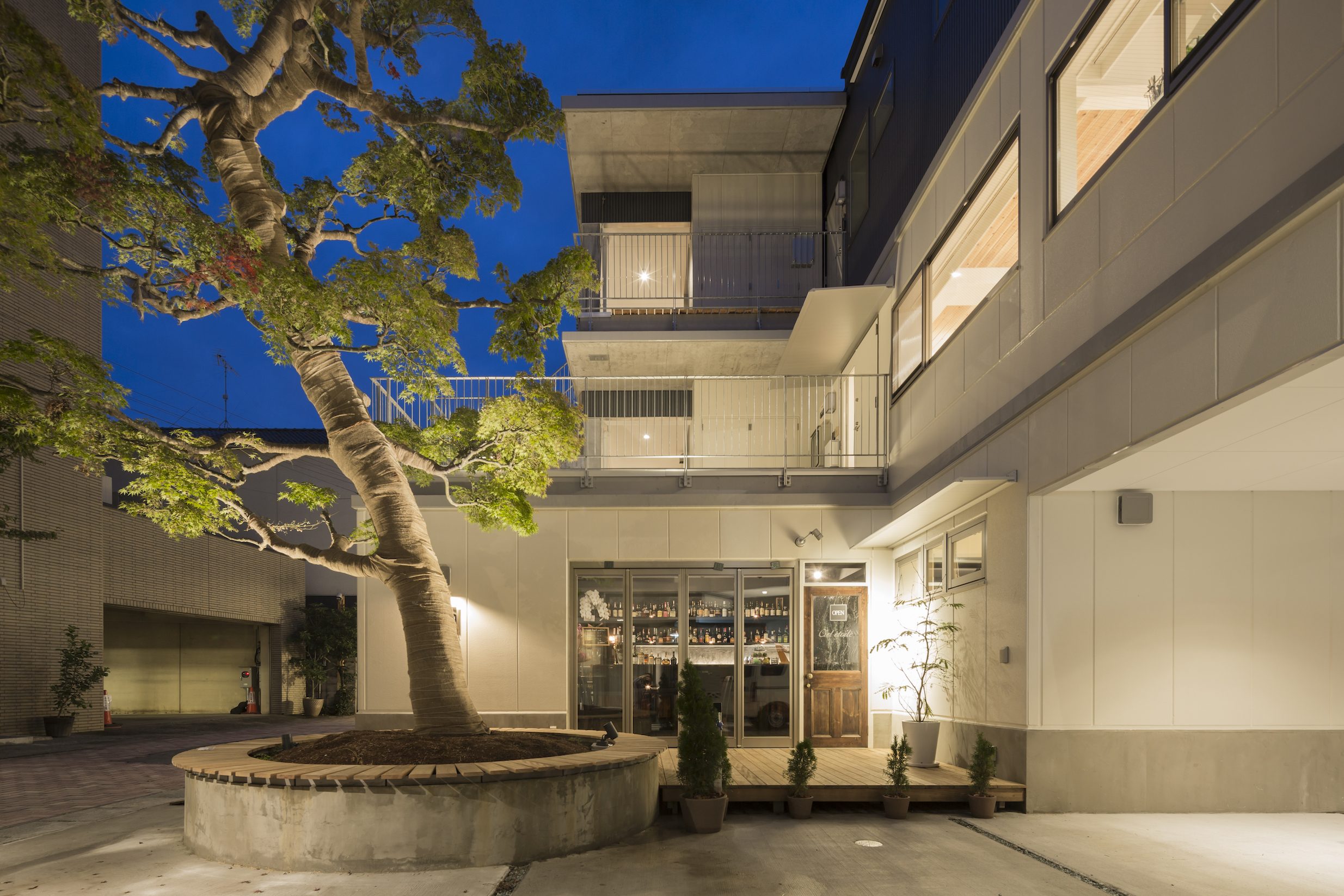
Roopt Shiogama Kaigan-dori utilizes the 2nd to 4th floors of a 4-story house as a renovated share house. It's the triangular building you see immediately to your left when you exit Hon-Shiogama Station.
—As it says on the website, it really is right in front of the station.
Yes, it's a 1-minute walk! The proximity to the station becomes even clearer once you enter the share house.
(Hiratsuka waving in front of the share house. Can you see her?)
It's a little hard to find, but if you walk left from the station, you'll see Uotami, and it's across from there. When you come for an event or a viewing, Uotami is a good landmark.
(View of the 1st floor. You go up the stairs to enter the share house.)
—We've finally entered the share house. The 2nd floor is a community space, right?
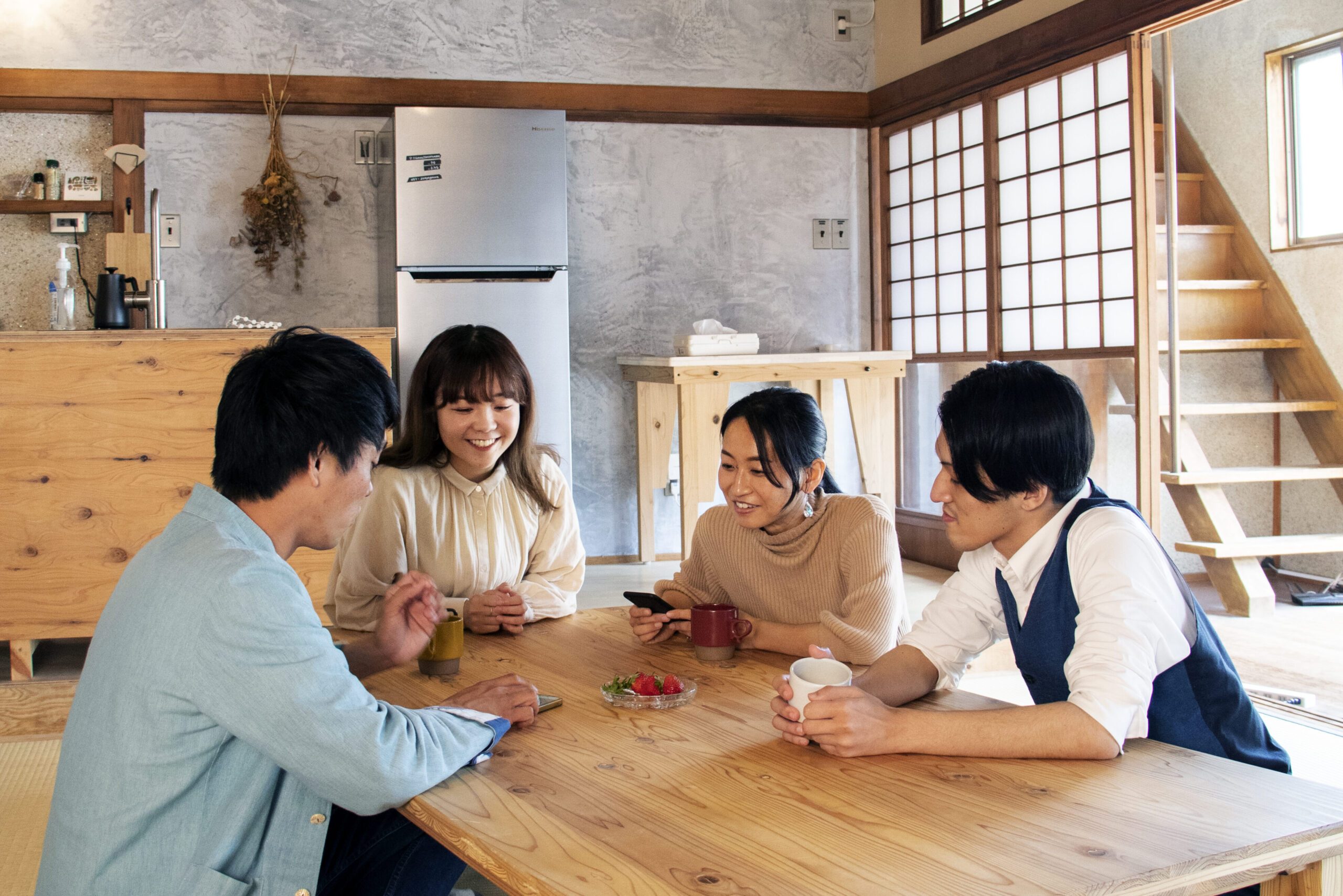
That's right! The 2nd floor is a shared living space with a kitchen, bath, and toilet. There's also a vacation rental room at the back of the living room, so residents can use it when they want to invite friends over.
—It's great that it can be used for just one night! Looking at the living room, I got an overall impression of "red." Is there a meaning behind this?
Shiogama Shrine is a 10-minute walk from here, and since the shrine's torii gates are red, we chose the color based on that motif. The red paint from the entrance to the vacation rental room is inspired by the approach to the shrine, and the joints (meji: gaps filled between materials) in the ceiling and floor are also the same red to create a sense of unity.
By the way, in architectural terms, this is called "mesukashi" (open joint method), but this mesukashi method is usually applied to ceilings. The architect from Makigumi who was in charge of this share house ingeniously applied it to the floor as well.
—Visiting Shiogama Shrine would probably make the meaning of this ingenuity even clearer. Next is the kitchen, but the wall... what's going on?
We've pasted tatami mats and fusuma (sliding doors) on the wall, which you don't often see. This is one example of "renovation without waste." During the renovation process, we had tatami mats and fusuma that were going to be discarded. It felt wasteful to throw them away, so we decided to use them for something and brought them to the kitchen on the 2nd floor. By the way, which tatami mats and fusuma were used is a surprise for later.
—By utilizing things instead of discarding them, you can create such an interesting space.
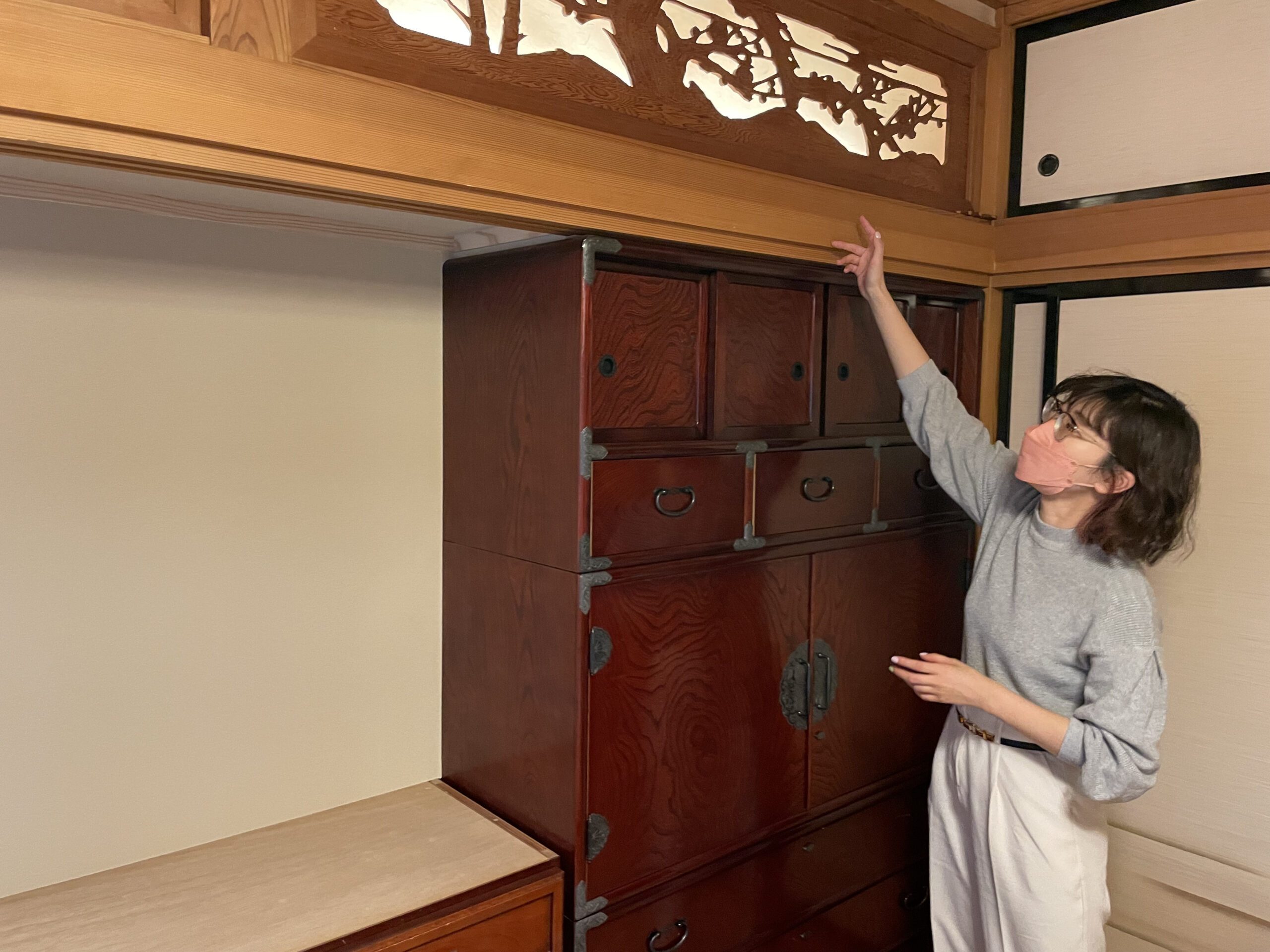
And one more thing. Don't you think the kitchen looks unusually rugged? Actually, it was originally a cupboard, and it was a top and bottom set with the counter table in the living room. We split it into two and installed a new sink, transforming it into a kitchen!
—You even renovate furniture, not just houses! Next is the vacation rental room.
This is a vacation rental room, and anyone can stay here, not just residents. We welcome trial stays and short trips.
—I'm curious about the space on the left.
This was originally a closet. We removed the fusuma and the wooden middle shelf (the board that divides the storage into upper and lower sections) and put in a desk and sofa. If you look closely, you can still see the fusuma rails, so you can tell it used to be a closet.
—Indeed, in a share house or vacation rental, storage isn't always that necessary, so removing it to expand the living space is a good idea. Please briefly tell us about the other parts of the 2nd floor!
We've incorporated a "Japanese" aesthetic throughout the entire share house, not just on the 2nd floor, and the lights in the changing room and the rope used in the washroom are examples of this. We put effort into these small details, so we hope visitors to the share house will look around thoroughly.
(Changing room light. Renovated to illuminate two spots with one power source.)
—The 2nd floor alone had so many highlights. Now for the private rooms, starting with the 3rd floor please!
The 3rd floor has three rooms: A, B, and C.
FIND YOUR STAY
Feel free to contact us for accommodation reservation inquiries, residency consultations, viewing appointments, interviews, etc.
Contact Us